
A Beginner's Guide to Homemade Stock and Broth
Learn how to make flavorful homemade stock and broth with this easy guide for beginners!
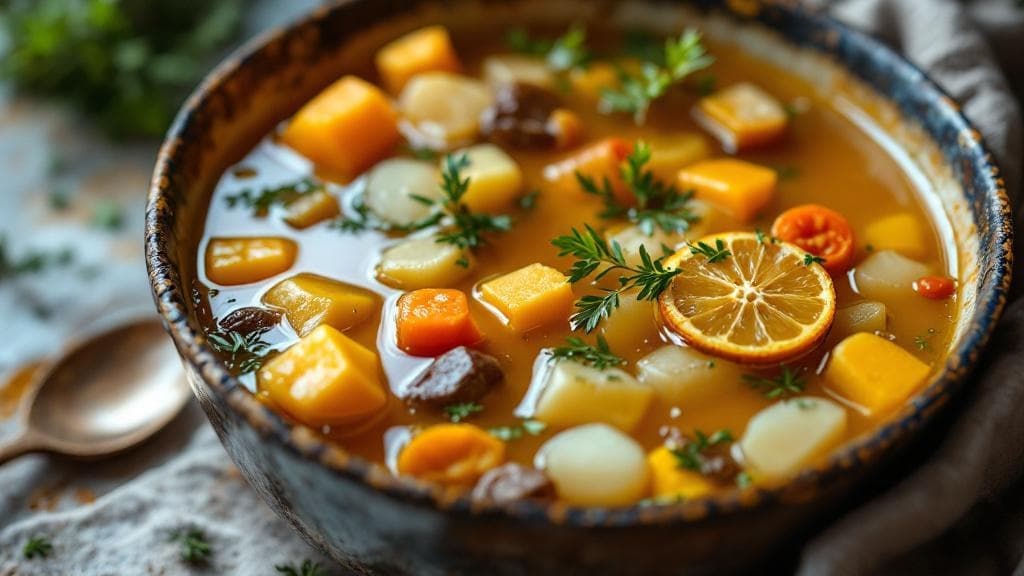
Hook Intro
Have you ever thought about how much flavor a homemade stock or broth can add to your dishes? It's often the unsung hero in soups, stews, and sauces, yet so many of us rely on store-bought versions. If you’re ready to elevate your cooking game, this beginner's guide to homemade stock and broth will help you discover the rich, aromatic goodness that comes from your very own kitchen.Quick Answer
TL;DR: Making homemade stock or broth is simple and requires just a few ingredients like bones or vegetables, water, and time. It’s a great way to enhance flavors in your meals!
Why This Matters
Homemade stock and broth are not only more flavorful than their store-bought counterparts, but they're also healthier. You control the ingredients, which means no preservatives or excess sodium. Plus, making stock is a fantastic way to use up leftover vegetable scraps or bones, reducing waste and saving money! Think about it: a rich chicken stock can transform a basic soup into a comforting bowl of warmth that envelops you like a hug on a chilly day.Step-by-Step Guide
Gather Your Ingredients
Start with the basics: bones (chicken, beef, or fish) or vegetables (carrots, onions, celery). Aim for about 2-3 pounds of bones or 4-5 cups of chopped vegetables.Prep Your Aromatics
Chop your vegetables into large pieces. You don’t need to be precise; you’re going to strain them out later. Aromatics like garlic, bay leaves, and peppercorns add depth, so toss those in too!Choose Your Pot
Use a large stockpot or slow cooker. A pot that holds at least 8 quarts is ideal for making stock. This ensures you have plenty of room for your ingredients and water.Add the Ingredients
Place your bones or vegetables into the pot. If you’re using bones, roasting them first at 400°F (200°C) for about 30-45 minutes enhances the flavor.Cover with Water
Pour in enough cold water to cover everything by about an inch. Cold water helps extract flavors more effectively.Bring to a Simmer
Heat the pot over medium-high heat until it comes to a simmer. You’ll see little bubbles forming, but avoid a rolling boil—it can make your stock cloudy.Skim the Foam
After about 15 minutes, skim off any foam that rises to the surface with a ladle. This will help keep your stock clear and clean-tasting.Let It Cook
Lower the heat, cover, and let it simmer gently. For chicken stock, aim for 4-6 hours; for beef stock, 8-12 hours; and for vegetable stock, 1-2 hours. The longer it simmers, the richer the flavor!Strain the Stock
Once it’s done cooking, use a fine mesh strainer to separate the liquid from the solids. Discard the solids and let the stock cool.Store Your Stock
Pour the cooled stock into containers. It can be refrigerated for up to a week or frozen for several months. Consider using ice cube trays for small portions, making it easy to add to recipes.
Quick Reference Guide
| Item | Time/Amount | Signs of Success |
|---|---|---|
| Chicken Bones | 4-6 hours | Rich golden color, savory aroma |
| Beef Bones | 8-12 hours | Deep brown color, robust flavor |
| Vegetable Scraps | 1-2 hours | Bright, vibrant color, fresh smell |
| Water | Cover ingredients | Clear liquid after straining |
Common Mistakes to Avoid
Mistake: Using only water without any aromatics. This results in bland stock. Fix: Always add onions, garlic, herbs, and spices for flavor.
Mistake: Boiling instead of simmering. This makes stock cloudy and can lead to a greasy finish. Fix: Always keep it at a gentle simmer.
Mistake: Not skimming off the foam. This can create an unappetizing texture. Fix: Take the time to skim in the first 15 minutes of cooking.
Mistake: Overcooking vegetables in beef stock. They can become too mushy. Fix: Add vegetables during the last 1-2 hours of cooking.
Mistake: Using expired ingredients. This can lead to off flavors. Fix: Always check the freshness of your bones and vegetables before use.
Extra Tips
- Store stock in small containers for easy access later.
- Experiment with various herbs and spices for different flavor profiles.
- If you have leftover wine, add a splash for depth!
Pro Tips
Pro Tip: Save vegetable scraps in a bag and freeze them until you’re ready to make stock—this is a great way to minimize waste!
Pro Tip: For an extra boost, add a splash of vinegar while simmering to help extract minerals from bones.
Pro Tip: Don’t forget to taste your stock near the end of cooking. You can always adjust seasoning or add more ingredients as needed!
