
Capture Stunning Food Photos at Home: Tips & Tricks
Elevate your food photography skills with these easy tips for home cooks.
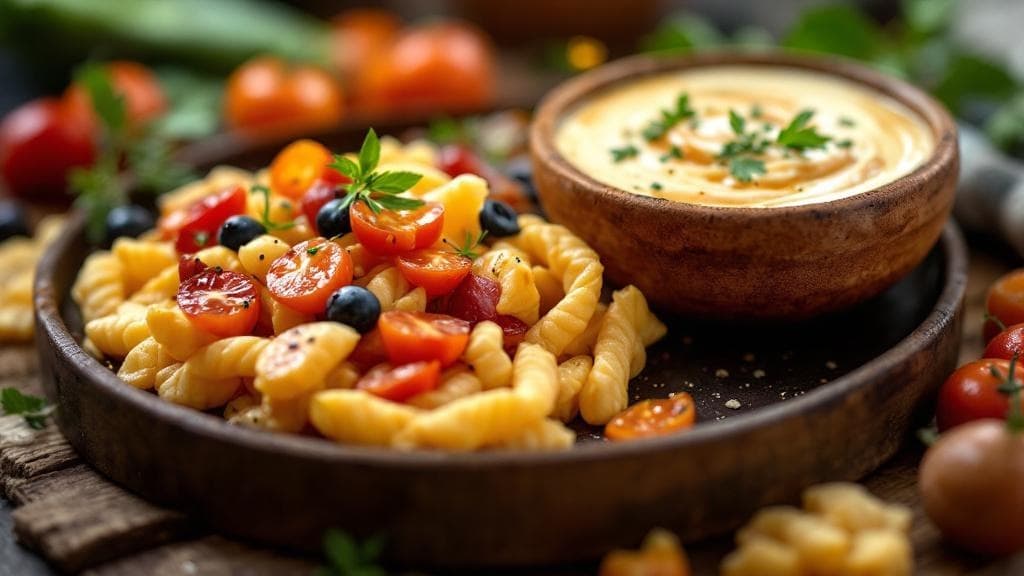
Hook Intro
Have you ever whipped up a delicious dish only to find your photos don’t do it justice? You’re not alone! Many home cooks struggle with food photography, but with the right tips, you can transform your culinary creations into eye-catching masterpieces. Whether you’re sharing on social media or creating a personal recipe book, these food photography tips for home cooks will help you capture that mouthwatering essence you see on cooking shows.Quick Answer
TL;DR: Use natural light, focus on composition, and style your food for stunning photos. Experiment with angles and props!
Why This Matters
In today’s digital age, the visual appeal of your food can make or break a meal’s success online. Beautiful photos can draw friends to your dinner parties and inspire them to try your recipes. Think of it like this: a perfectly plated dish deserves to be showcased! Plus, learning food photography is a fun way to enhance your cooking experience, turning each meal into a mini art project that reflects your personality and creativity.Step-by-Step Guide
Gather Your Tools
Start with a camera or a smartphone with a good camera. A simple setup can include a tripod for stability, a reflector to bounce light, and some basic props like plates and napkins.Find Natural Light
Seek out bright, natural light for the best results. Place your dish near a window during the day. If the light is too harsh, diffuse it with a sheer curtain.Choose Your Angle
Experiment with different angles. A 45-degree angle works well for most dishes, while shooting from directly above (flat lay) works great for salads and spreads.Style Your Dish
Add garnishes like fresh herbs or a drizzle of sauce. A little extra color can make your dish pop! Consider the colors on your plate; contrasting colors create more visual interest.Pay Attention to Composition
Follow the rule of thirds! Imagine your photo divided into nine equal parts and place your main dish along these lines or at their intersections for a balanced look.Get in Close
Don’t be afraid to zoom in. Capture textures like the crispiness of fried food or the creaminess of a sauce. Close-ups can evoke cravings and highlight details.Use Props Wisely
Introduce props that complement your dish, like utensils or a beautifully patterned tablecloth. But remember, the food should be the star of the show, so keep props minimal and tasteful.Edit Your Photos
After snapping the shots, use apps like Lightroom or Snapseed to enhance brightness, contrast, and saturation. But don’t overdo it; you want your food to look natural!Practice, Practice, Practice
Finally, the more you shoot, the better you’ll get. Experiment with different dishes, settings, and lighting. Don’t be afraid to try something new!
Quick Reference Guide
| Item | Time/Amount | Signs of Success |
|---|---|---|
| Natural Light | Daytime | Soft, even light on your food |
| Camera Settings | Adjusted for light | Clear, sharp images |
| Composition | Rule of thirds | Balanced and engaging photo |
| Props | Minimalist | Food is the focal point |
Common Mistakes to Avoid
Mistake: Using flash.
Why it's wrong: Flash can create harsh shadows and unflattering highlights. Fix: Stick to natural light for a softer, more inviting look.
Mistake: Ignoring background.
Why it's wrong: A cluttered background can distract from your dish. Fix: Choose a clean, simple background that complements your food.
Mistake: Over-editing photos.
Why it's wrong: Excessive filters can make food look unnatural. Fix: Use editing tools sparingly to enhance, not distort.
Mistake: Not cleaning the plate.
Why it's wrong: Crumbs and spills can be unappealing. Fix: Wipe the edges of your plate for a polished look.
Extra Tips
- Try shooting during the golden hour (just after sunrise or before sunset) for warm, flattering light.
- Mix textures in your props, like a wooden cutting board with a smooth ceramic plate, to create depth in your images.
- Keep your camera steady for crisp shots—use a tripod if possible.
Pro Tips
Pro Tip: Use a shallow depth of field (a lower f-stop setting) to blur the background and make your dish stand out.
Pro Tip: Incorporate some movement into your shots, like a hand pouring sauce, to add life to your photos.
Pro Tip: Capture the cooking process! A few behind-the-scenes shots can give your food a story and context.
