
Elevate Your Dinner: Tips for Restaurant-Quality Plating
Discover essential tips for achieving restaurant-quality plating at home. Impress your guests with beautiful, deliciously presented dishes!
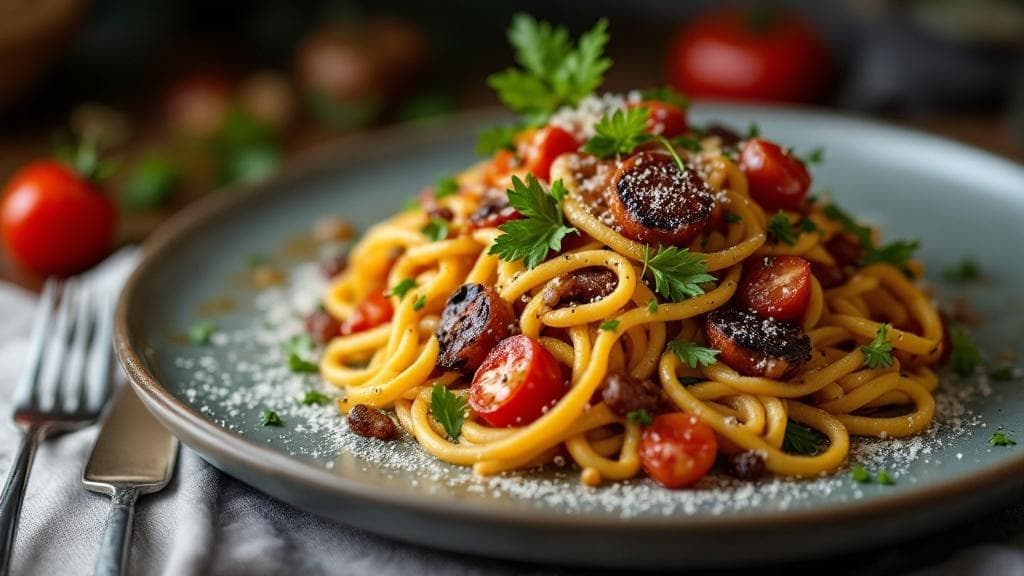
Introduction
Have you ever dined at a restaurant and marveled at how beautifully the dishes are presented? The art of plating can transform even the simplest meal into a gourmet experience. But why does this matter? Well, the way food is presented affects not just its visual appeal but also its taste perception. When you plate your dishes like a pro, you elevate the entire dining experience for yourself and your guests. In this guide, you’ll learn practical tips and techniques to achieve restaurant-quality plating at home.
Understanding the Basics of Plating
Before diving into the techniques, it’s essential to understand the fundamental principles of plating. Balance, contrast, and focal point are three crucial elements that can help you create visually appealing plates.
- Balance: Ensure that food is distributed evenly across the plate. This doesn’t mean everything needs to be symmetrical, but the visual weight should feel right.
- Contrast: Use contrasting colors and textures to make your dish pop. For example, pairing bright vegetables with a rich sauce can create an enticing look.
- Focal Point: Choose one element of the dish to be the star. This could be a beautifully cooked protein or a vibrant sauce that draws the eye.
By keeping these principles in mind, you’ll start with a solid foundation for beautiful plating.
Choosing the Right Plate
The plate you choose can significantly impact the presentation of your food. Different styles of dishes can enhance or detract from your plating efforts:
- White Plates: A classic choice, white plates provide a clean canvas that allows the colors of the food to shine.
- Colored Plates: Use colored plates to add a playful element, but be mindful of color combinations to avoid clashing.
- Shape Matters: Round plates are standard, but square or rectangular plates can offer a modern twist. Experiment with different shapes to find what suits your dish.
When selecting plates, consider the size as well. A larger plate can give you more room to design your presentation, while a smaller plate can create a more intimate feel.
Textural Variety and Ingredients
When plating, consider not just the colors but also the textures. A dish with various textures can be more inviting. Here are a few examples of how to incorporate texture:
- Crisp Elements: Adding something crunchy, like toasted nuts or crispy shallots, provides contrast to smooth elements like sauces or purees.
- Fresh Herbs: A sprinkle of fresh herbs not only adds a pop of color but also a different texture and aroma, making the dish more dynamic.
- Sauces: Instead of just pouring sauce over the food, try drizzling or swirling it around the plate for an artistic touch.
As you think about textures, remember to balance them wisely; too many competing textures can make a dish feel chaotic.
Garnishing with Purpose
Garnishes can enhance the visual appeal of a dish, but they should always serve a purpose. Here are some ideas for effective garnishing:
- Edible Flowers: These can add color and elegance but should be used sparingly to avoid overwhelming the dish.
- Microgreens: A small handful can offer a fresh burst of flavor and is a sophisticated touch.
- Spices and Seasonings: Consider finishing your dish with a sprinkle of a colorful spice, like smoked paprika or za'atar, for a pop of color.
When garnishing, always remember that less is often more. A well-placed garnish can elevate a dish without distracting from its main elements.
Practicing Plating Techniques
Now that you have the basics down, it’s time to practice specific plating techniques. Here are a few methods to consider:
- The Ring Mold Technique: Use a ring mold to create height and shape with ingredients like grains, vegetables, or proteins. Layering ingredients in a mold creates a stunning visual effect.
- The Spoon Drizzle: Use the back of a spoon to create elegant swoops with sauces or purees. This technique adds a touch of flair and looks sophisticated.
- The Stack Technique: Stack ingredients vertically for a modern presentation. This works well with items like tacos or burgers, where height adds interest.
Practice these techniques with different dishes to find what works best for you. Remember, plating is an art, and like any art form, it takes practice to master.
Pro Tips from the Kitchen
Here are some insider tips that can take your plating game to the next level:
- Use a Palette Knife: This tool is excellent for spreading sauces evenly and creating clean lines.
- Keep It Clean: Always wipe the edges of your plate for a polished look. A clean edge is just as important as the food itself.
- Practice Portion Control: Serve appropriate portions; too much food can overwhelm the plate and look messy.
- Experiment and Innovate: Don’t be afraid to try new things. The best chefs constantly innovate and push boundaries!
These tips can help you refine your skills and encourage creativity in your plating.
Conclusion
Achieving restaurant-quality plating at home is an attainable goal for anyone willing to put in a little effort and practice. By understanding the basics, selecting the right plates, incorporating texture, garnishing thoughtfully, and practicing various techniques, you can impress your family and friends with stunning presentations. So why not give it a try? Experiment with your next meal and share your beautiful dishes with us in the comments below!
