
Exploring the Rich Tapestry of Mexican Regional Cuisines
Dive into the diverse flavors of Mexican regional cuisines and discover their unique ingredients and dishes!
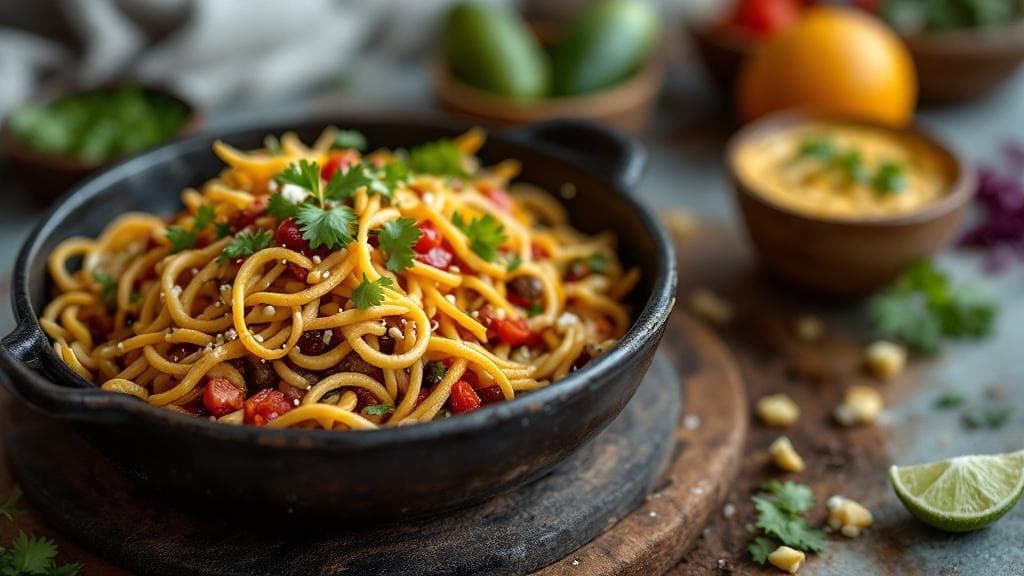
Hook Intro
Have you ever felt overwhelmed by the sheer variety of Mexican food? From the spicy salsas of the north to the rich mole of the south, each region showcases its own distinct flavors and traditions. Understanding these regional cuisines can transform your cooking and dining experiences, making every meal a journey through Mexico’s vibrant culture.Quick Answer
TL;DR: Mexican regional cuisines are incredibly diverse, each offering unique flavors and cooking techniques that reflect local ingredients and traditions.
Why This Matters
Exploring Mexican regional cuisines opens up a world of culinary delights that are often overlooked. Each region boasts its own specialty dishes, influenced by local ingredients, geographical features, and historical factors. For example, the seafood-rich coasts of Veracruz contrast sharply with the hearty dishes found in the mountainous regions of Puebla. Understanding these differences not only enriches your palate but also deepens your appreciation for the culture and history behind each dish. Plus, it’s a great way to spice up your dinner table!Step-by-Step Guide
Understand the Regions
Familiarize yourself with the different regions of Mexico: the North, Central Mexico, the Gulf Coast, the Yucatan, and the Pacific Coast. Each area has its own unique flavor profile.Gather Ingredients
Stock up on local ingredients. For instance, if you’re exploring Oaxacan cuisine, seek out ingredients like mole paste, tomatillos, and fresh herbs like epazote.Start with Simple Dishes
Begin your journey with classic regional dishes. Try making tacos al pastor from Central Mexico or ceviche from the coastal regions.Experiment with Spices
Each region uses different spices. The Yucatan is known for its achiote seasoning, while the North leans toward smoky chipotle.Incorporate Fresh Produce
Use fresh local produce, such as tomatoes, avocados, and chiles. The freshness will enhance your dishes and transport you to a bustling Mexican market.Pair with Traditional Beverages
Enhance your meal with traditional drinks like horchata or mezcal. These beverages complement the flavors beautifully.Learn Cooking Techniques
Embrace regional cooking techniques, such as grilling, steaming, or slow-cooking, to develop authentic flavors. Don’t skip on handmade tortillas!Explore Desserts
Don’t forget about desserts! Try making flan or churros that reflect the sweet side of regional cuisines.Share and Enjoy
Finally, gather friends or family to share your culinary creations. Food is best enjoyed when shared, just like in Mexico!
Quick Reference Guide
| Item | Time/Amount | Signs of Success |
|---|---|---|
| Tacos al Pastor | 30 minutes | Meat is juicy with a slight char |
| Ceviche | 1 hour marinating | Fish is opaque and flavors are balanced |
| Mole Sauce | 2 hours | Rich, complex flavor with a silky texture |
| Churros | 30 minutes | Golden brown and crispy on the outside |
Common Mistakes to Avoid
Mistake: Skipping fresh ingredients. Using older, dried-out ingredients can dull the flavors of your dishes.
Mistake: Overcooking seafood dishes. Fish should be tender and slightly firm; overcooking makes it rubbery.
Mistake: Not letting flavors meld. Dishes like mole need time for spices to develop; don’t rush it!
Mistake: Ignoring balance. Mexican cuisine thrives on balancing flavors; be sure to taste as you go!
Extra Tips
- Store your spices in a cool, dark place to maintain their potency.
- Experiment with fusion! Try combining elements from different regions to create something new.
- Don't be afraid to ask locals for their favorite recipes or tips when traveling in Mexico.
Pro Tips
Pro Tip: Use masa harina for homemade tortillas; they’re fresher and more flavorful than store-bought.
Pro Tip: Invest in a molcajete (stone mortar and pestle) for authentic salsa-making; it enhances flavors like nothing else!
Pro Tip: Don’t rush the browning process when making mole; it’s key to developing deep flavors.
