
Fixing Dense Cakes and Quick Breads: Tips You Need
Learn how to fix dense cakes and quick breads for light, fluffy results every time!
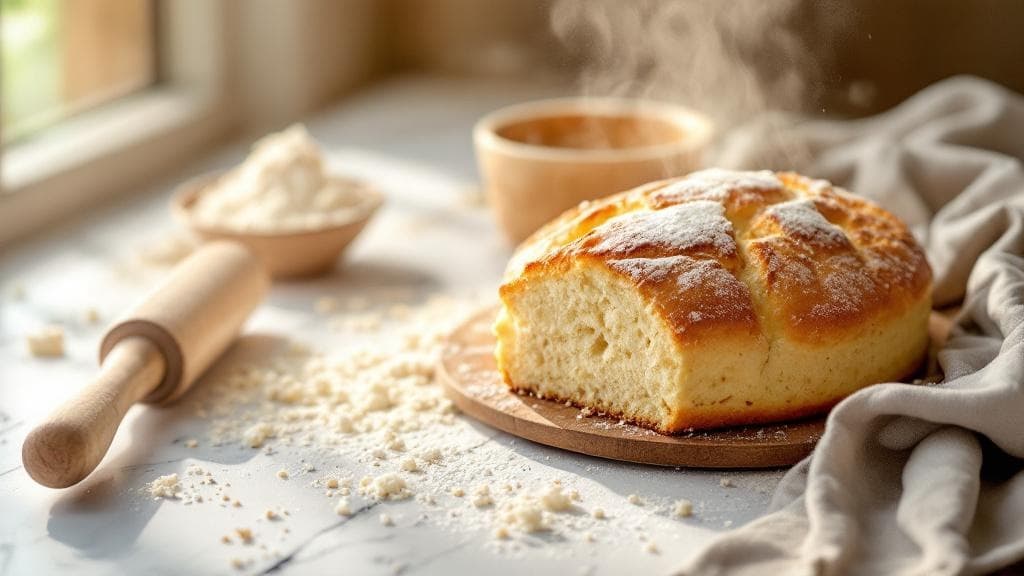
Hook Intro
Have you ever pulled a cake out of the oven only to find it looks more like a brick than a fluffy masterpiece? You’re definitely not alone! Fixing dense cakes and quick breads can feel like a daunting task, but it doesn’t have to be. Whether it’s a birthday cake or a loaf of banana bread, let’s dive into how to transform your baking from heavy to heavenly!Quick Answer
TL;DR: To fix dense cakes and quick breads, check your ingredient measurements, avoid overmixing, and ensure proper leavening agents are used.
Why This Matters
Baking is an art and a science, and understanding the reasons behind dense cakes can save you from future baking disasters. A dense cake can be caused by too much flour, not enough leavening, or even overmixing the batter. Imagine biting into a light, airy slice instead of a heavy lump—your friends and family will thank you! Plus, mastering the techniques to create fluffy baked goods can elevate your baking game and impress anyone who takes a bite.Step-by-Step Guide
Check Your Ingredients
Always measure your flour accurately! Use the spoon-and-level method: spoon flour into your measuring cup and level it off with a knife. Too much flour can lead to density.Use Fresh Leavening Agents
Ensure your baking powder and baking soda are fresh. Old leavening agents can lose potency, resulting in a dense loaf. A simple test: add a teaspoon of baking soda to vinegar; it should fizz!Room Temperature Ingredients
Bring your eggs and dairy to room temperature before mixing. This helps create a smoother batter that traps air better, leading to a fluffier texture.Don’t Overmix
Mix just until the dry ingredients are incorporated. Overmixing develops gluten, which can lead to dense baked goods. Think gentle folds, not vigorous stirring!Proper Oven Temperature
Make sure your oven is calibrated correctly. An oven that’s too cool can result in undercooked, dense cakes while one that’s too hot can cause the outside to set before the inside is done.Consider the Type of Flour
Use cake flour instead of all-purpose flour for lighter cakes. Cake flour has a lower protein content, which helps keep your cakes airy.Add a Touch of Acid
Incorporate an acidic ingredient like buttermilk or yogurt. Acids can help activate baking soda, leading to a fluffier rise.Check Baking Time
Use a toothpick to test for doneness. If it comes out clean, your cake is ready! Overbaking can dry out your cake, making it dense and crumbly.Let it Cool Properly
Allow your cake or bread to cool in the pan for a few minutes before transferring it to a wire rack. This helps maintain moisture and prevents it from becoming gummy.
Quick Reference Guide
| Item | Time/Amount | Signs of Success |
|---|---|---|
| Flour | Measured accurately | Light and airy texture |
| Leavening agents | Fresh | Good rise and fluffiness |
| Mixing time | Minimized | No lumps, smooth batter |
| Oven temp | Correctly calibrated | Even browning, no sinking |
Common Mistakes to Avoid
Mistake: Measuring flour directly from the bag. Why it's wrong: This can pack the flour down, leading to too much flour in your batter. Fix: Always spoon flour into your measuring cup and level it off with a knife.
Mistake: Using cold ingredients. Why it's wrong: Cold ingredients don’t blend well, resulting in a dense texture. Fix: Let eggs and dairy come to room temperature.
Mistake: Overmixing the batter. Why it's wrong: This develops gluten, making your cake tough. Fix: Mix just until combined and no dry flour remains.
Mistake: Not checking oven temperature. Why it's wrong: An incorrect temperature can lead to undercooked or burnt cakes. Fix: Use an oven thermometer to ensure accuracy.
Extra Tips
- Store leftover cakes in an airtight container to maintain moisture.
- Try adding fruits or nuts for added texture and flavor.
- If time is short, consider using a box mix and enhance it with extra eggs or yogurt for moisture.
Pro Tips
Pro Tip: If you find your cake is too dense, try slicing it in half and layering it with whipped cream and fruit to create a trifle! It’s a delicious way to salvage a baking mishap.
Pro Tip: For a lighter quick bread, add a tablespoon of vinegar to the wet mixture; it helps activate baking soda and adds a subtle tang.
Pro Tip: Remember, practice makes perfect! Don’t be discouraged by a failed attempt; each baking experience teaches you something new.
