
Fresh vs Canned Tomatoes: Best Tips for Cooking Success
Unlock the secrets of cooking with fresh and canned tomatoes. Discover tips, tricks, and recipes to elevate your dishes today!
Introduction
Have you ever wondered why some recipes call for fresh tomatoes while others insist on canned tomatoes? It’s a common dilemma, especially for home cooks striving for the best flavor and texture in their dishes. Whether you’re whipping up a comforting pasta sauce, a vibrant salsa, or a hearty stew, understanding the differences between fresh and canned tomatoes can significantly influence your cooking outcomes.
In this post, we’ll explore the unique qualities of both fresh and canned tomatoes, their best uses in the kitchen, and expert tips to elevate your cooking. By the end, you’ll feel confident choosing the right tomato for every recipe!
Understanding Fresh Tomatoes
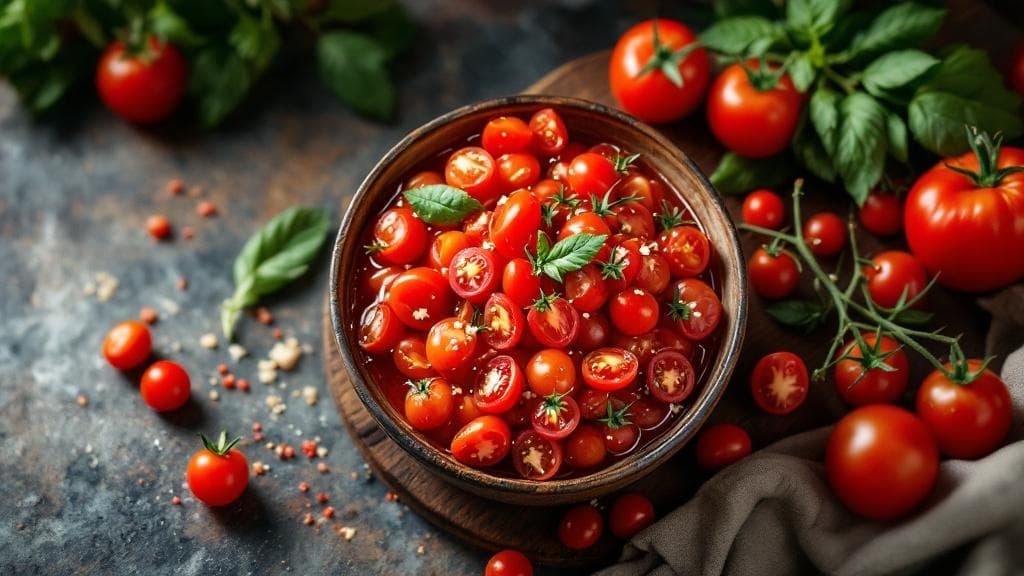
Fresh tomatoes, with their juicy flesh and vibrant color, are a delight to work with. They come in various types, including Roma, beefsteak, and cherry, each offering a unique flavor profile.
- Roma: Ideal for sauces due to their lower moisture content.
- Beefsteak: Juicy and meaty, perfect for sandwiches and salads.
- Cherry: Sweet and bursting with flavor, great for snacking or roasting.
When using fresh tomatoes, consider the season. Local, in-season tomatoes are often sweeter and more flavorful, making your dishes sing. However, they can also require more preparation time, such as peeling and seeding, which can be a hurdle for beginners.
The Advantages of Canned Tomatoes
Canned tomatoes might not have the same fresh-off-the-vine taste, but they pack a punch in terms of convenience and consistency. Most canned tomatoes are harvested at peak ripeness and cooked shortly after, locking in their flavor and nutrients.
Here are some common types of canned tomatoes you might encounter:
- Diced: Great for soups and stews.
- Crushed: Perfect for sauces and pasta dishes.
- Whole: Versatile for various recipes, can be crushed or pureed as needed.
Using canned tomatoes can save time and effort, especially during colder months when fresh tomatoes may not be as flavorful. They also provide a reliable option for stockpiling in your pantry.
Flavor and Texture Differences
When it comes to flavor, the choice between fresh and canned tomatoes often boils down to the application. Fresh tomatoes can offer a bright, refreshing taste, ideal for salads or uncooked applications. However, once cooked, canned tomatoes can often develop a richer, deeper flavor that adds complexity to sauces and soups.
Texture is another consideration:
- Fresh tomatoes: Soft and juicy, but can break down quickly when cooked.
- Canned tomatoes: Consistent texture, often smoother, and will hold up well in longer cooking times.
For instance, when making a marinara sauce, canned tomatoes will provide a thick, luscious sauce that clings to your pasta, whereas fresh tomatoes might yield a more watery result.
Best Uses for Fresh and Canned Tomatoes
Understanding when to use fresh versus canned tomatoes can elevate your cooking. Here are some ideal applications for each:
- Fresh Tomatoes:
- Salads and salsas
- Bruschetta or toppings for crostini
- Garnishes for soups
- Canned Tomatoes:
- Soups and stews
- Homemade pasta sauces
- Chili and casseroles
As a general rule, if you're cooking a dish that requires a longer cooking time, canned tomatoes are your best bet, while fresh tomatoes shine in quick-cooking dishes.
Pro Tips for Cooking with Tomatoes
To make the most of your tomatoes, here are some expert tips:
- Choose wisely: Always select ripe, fragrant tomatoes for fresh applications. Look for canned tomatoes with no added sugars or preservatives.
- Layer flavors: When using canned tomatoes, enhance their flavor with aromatics like garlic and onion to create depth.
- Season properly: Fresh tomatoes benefit from salt and acid (like lemon juice) to enhance their flavor, while canned tomatoes might need a touch of sweetness to balance acidity.
- Texture matters: If you prefer a smoother sauce, consider blending canned tomatoes or using crushed varieties.
Remember, experimenting is key! Don’t be afraid to mix fresh and canned tomatoes in your recipes for a unique twist.
Pro Tips from the Kitchen
- For a quick sauce, sauté garlic in olive oil, add canned tomatoes, and simmer for 15 minutes—done!
- If using fresh tomatoes in sauces, roast them beforehand to intensify their flavor.
- Store unopened canned tomatoes in a cool, dry place; once opened, refrigerate and consume within 5 days.
- For a sweeter sauce, add a pinch of sugar when using canned tomatoes to balance acidity.
Conclusion
Now that you have a deeper understanding of the differences between fresh and canned tomatoes, you can make informed choices in your cooking. Remember, both have their unique advantages and ideal uses. Experimenting with both will allow you to create delicious dishes that suit your palate. Dive into your kitchen, grab some tomatoes, and let the delicious cooking begin! Don’t forget to share your experiences in the comments below or try out a new recipe featuring your favorite type of tomato!
