
How Altitude Affects Cooking: Tips for Every Home Chef
Discover how altitude impacts cooking and learn essential tips for perfect results at any elevation.
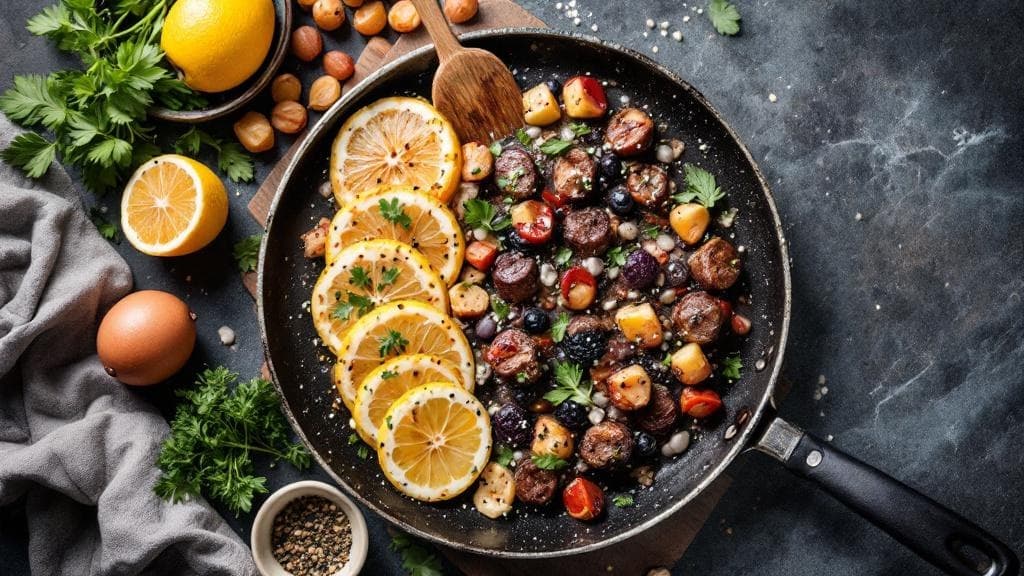
Hook Intro
Have you ever wondered why your chocolate cake flops at high altitude or why boiling water takes forever? Cooking at altitude can be a tricky business, but understanding how it affects your food can lead to delicious results. Whether you live in the mountains or just want to know how altitude affects cooking, you’ll find some useful tips here!Quick Answer
TL;DR: High altitude affects cooking times and ingredient ratios due to lower air pressure. Adjustments like increasing cooking times or reducing sugar can help achieve the perfect dish.
Why This Matters
Understanding how altitude affects cooking is crucial for anyone living in elevated areas. At higher elevations, the boiling point of water decreases, which can lead to undercooked pasta or grains. Baked goods may rise too quickly and then fall, resulting in a dense, sad cake. By making simple adjustments, you can ensure that your meals turn out just as deliciously at 5,000 feet as they do at sea level. It can be the difference between a delightful dish and a culinary disaster!Step-by-Step Guide
Know Your Altitude
Start by determining your elevation. The higher you are, the more adjustments you’ll need to make. If you're at 3,000 feet or more, you’ll want to pay extra attention!Adjusting Boiling Times
At high altitude, water boils at a lower temperature. This means you may need to increase cooking times for pasta and grains. For instance, if it usually takes 10 minutes to boil pasta at sea level, add an extra 1-2 minutes for every 1,000 feet in elevation.- Reduce Sugar and Baking Powder Too much sugar can cause baked goods to rise too quickly and then collapse. Consider reducing sugar by about 1 tablespoon per cup. Similarly, decrease baking powder by 1/8 teaspoon for every teaspoon used.
- Increase Cooking Times for Meats Don't forget about your meats! You may need to increase cooking times by about 20% to ensure they are cooked through, especially for larger cuts.
- Check Your Oven Temperature Ovens can also be off-kilter at altitude. Use an oven thermometer to ensure you're baking at the right temperature. Sometimes, reducing the oven temperature by about 25°F can yield better results.
- Experiment with Liquids In some cases, you might need to add a bit more liquid to your recipes, particularly in baking. This helps to maintain moisture and prevents dryness that can occur at high elevations.
Quick Reference Guide
| Item | Time/Amount | Signs of Success |
|---|---|---|
| Pasta | Increase by 1-2 min per 1,000 ft | Al dente texture |
| Cake | Reduce sugar by 1 tbsp/cup | Even rise, no collapse |
| Meat | Increase by 20% | Fully cooked, tender |
| Boiling Water | Varies, lower at high altitude | Water bubbles at lower temp |
| Baking Powder | Decrease by 1/8 tsp/1 tsp | Proper rise without collapsing |
Common Mistakes to Avoid
Mistake: Ignoring altitude changes in recipes. Always check if your recipe is designed for your altitude. If it isn’t, be prepared to make adjustments.
Mistake: Not using an oven thermometer. Your oven may not be accurate. An oven thermometer ensures your baking temps are spot on for those delicate pastries.
Mistake: Overlooking moisture adjustments. Higher altitudes can dry out your food, so don’t forget to add a little more liquid where needed.
Mistake: Using too much sugar in baked goods. Remember, sugar can cause cakes to rise too quickly. Reduce it to avoid a collapse.
Mistake: Rushing the cooking time. Be patient! Cooking at high altitude can take longer, so give your food the time it needs to develop the right flavors and textures.
Extra Tips
- Store your flours and baking powders in airtight containers to keep them fresh and effective.
- Consider using a pressure cooker for foods that require longer cooking times; it can help achieve better results.
- Try experimenting with recipes designed specifically for high altitudes to gain confidence in your adjustments.
Pro Tips
Pro Tip: Keep a journal of your altitude cooking experiences. Note what works and what doesn’t so you can refine your technique over time.
Pro Tip: When baking, try using a combination of baking soda and baking powder for better results.
Pro Tip: If you’re unsure about a recipe, start with smaller batches to avoid wasting ingredients.
