
How Sugar Affects Your Baked Goods: The Sweet Science
Discover how sugar impacts texture, flavor, and color in your baking.
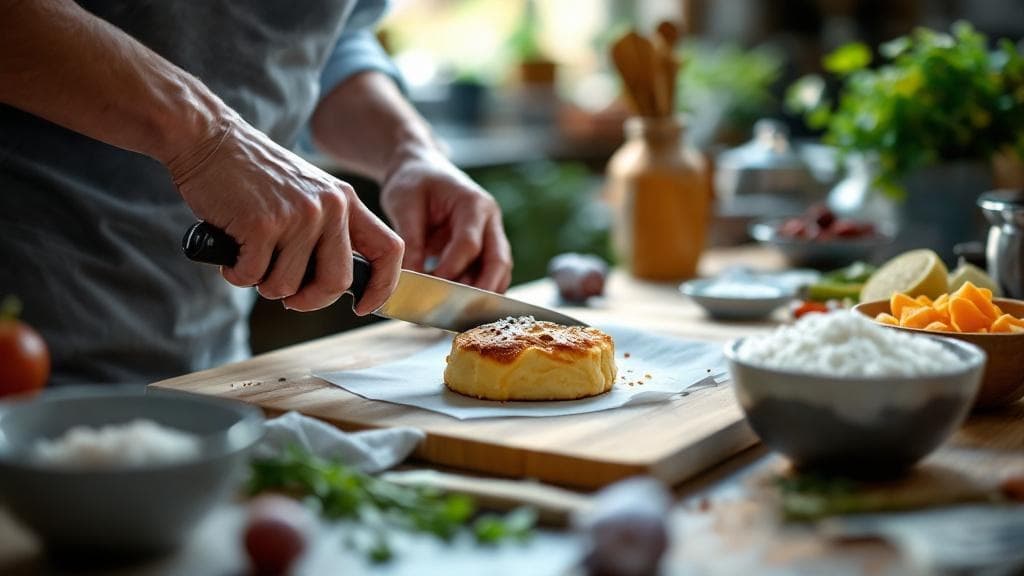
Hook Intro
Are you ever baffled by why some cakes are light and fluffy while others end up dense and dry? The secret often lies in the sugar! Understanding how sugar affects your baked goods can transform your baking game. Let’s dive into the sweet science behind sugar and how it contributes to the texture and flavor of your favorite treats.Quick Answer
TL;DR: Sugar not only sweetens your baked goods but also influences their texture, moisture, and browning. The right type and amount of sugar can elevate your baking to a whole new level.
Why This Matters
Understanding sugar's role in baking is crucial for achieving the perfect balance in your recipes. Sugar acts as a tenderizer, keeping baked goods moist and soft by absorbing water. For instance, cakes made with sugar tend to have a lighter texture compared to those made without it. Additionally, sugar caramelizes when baked, giving that beautiful golden-brown color to cookies and crusts. Knowing how sugar interacts with other ingredients can help you make better choices, whether you're going for a chewy cookie or a light soufflé.Step-by-Step Guide
Choose Your Sugar Wisely
Start by selecting the type of sugar that suits your recipe. Granulated sugar is the go-to for most recipes, but brown sugar adds moisture and a hint of caramel flavor. Powdered sugar is perfect for frostings and glazes.Measure Accurately
Using a kitchen scale can help ensure you're adding the right amount of sugar. Too much can lead to overly sweet, dense baked goods, while too little may result in dryness. Aim for precision!Mix It Well
Creaming butter and sugar together incorporates air into the mixture. This is essential for light, fluffy cakes. Mix until the mixture is pale and fluffy—this can take 3-5 minutes.Consider the Temperature
Using room temperature ingredients helps sugar dissolve properly, resulting in an even texture. Cold butter won't cream well with sugar, so let it sit out for about 30 minutes before baking.Adjust for Humidity
In humid conditions, sugar can absorb moisture from the air. You may need to reduce the amount of sugar slightly in your recipes to avoid sogginess.Bake at the Right Temperature
Baking at the correct temperature is crucial. Too high a temperature can cause sugar to caramelize too quickly, leading to burnt edges. Stick to the recipe's recommended temperature for best results.Time It Right
Keep an eye on your baked goods towards the end of the baking time. Look for a golden-brown color and a slight spring back when touched. If using a toothpick, it should come out clean.Cool Properly
Allow your baked goods to cool on a wire rack. This prevents steam from building up and keeps them from becoming soggy.Experiment with Substitutions
Don’t be afraid to explore alternatives like honey or maple syrup, which can add unique flavors but remember to adjust the liquid content in your recipes accordingly.Store Correctly
Store your baked goods in an airtight container to maintain their moisture and texture. This is especially important for sugar-heavy items like cakes and cookies.
Quick Reference Guide
| Item | Time/Amount | Signs of Success |
|---|---|---|
| Granulated Sugar | 1 cup | Light and airy texture |
| Brown Sugar | 1 cup | Moist and chewy consistency |
| Powdered Sugar | 1 cup | Smooth and creamy frosting |
| Honey | 3/4 cup | Unique flavor with moist crumb |
| Temperature | Room temperature | Proper creaming with butter |
Common Mistakes to Avoid
Mistake: Skipping the creaming step.
Why it's wrong: This can lead to dense baked goods.
Fix: Always cream your butter and sugar until light and fluffy.
Mistake: Using cold ingredients.
Why it's wrong: Cold butter won’t cream well with sugar.
Fix: Let your ingredients come to room temperature before starting.
Mistake: Misjudging sugar types.
Why it's wrong: Substituting one type of sugar for another can alter the texture.
Fix: Stick to the sugar specified in the recipe for best results.
Mistake: Over-baking.
Why it's wrong: Sugar can cause baked goods to burn if left too long.
Fix: Check for doneness a few minutes before the suggested time.
Mistake: Not adjusting for high humidity.
Why it's wrong: This can make your baked goods soggy.
Fix: Reduce sugar slightly in humid conditions.
Extra Tips
- For extra flavor, try adding spices like cinnamon or vanilla to your sugar.
- Consider using a mix of sugars for complex flavors and textures.
- When baking with brown sugar, pack it tightly in the measuring cup for accurate results.
- Don’t forget to taste your batter; it should give you a hint of how the final product will taste!
Pro Tips
Pro Tip: When making cookies, chill your dough for at least 30 minutes. This allows the sugar to absorb moisture, leading to chewier cookies!
Pro Tip: If your batter is too sweet, consider adding a pinch of salt. It can balance the flavor beautifully.
Pro Tip: For a unique twist, try using coconut sugar instead of brown sugar. It adds a subtle caramel flavor!
