
Korean Cooking: Beyond Kimchi and BBQ Delights
The rich flavors of Korean cooking beyond kimchi and BBQ. Unleash your inner chef!
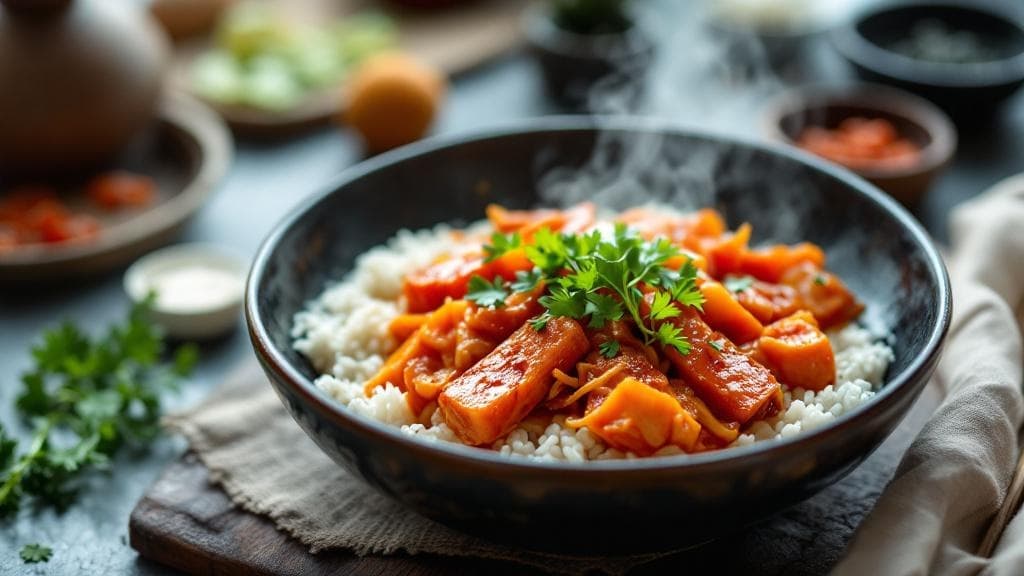
Hook Intro
Have you ever thought that Korean cooking is just about kimchi and BBQ? Surprise! While these are iconic, there’s a whole world of flavors waiting for you to explore. From spicy stews to savory pancakes, Korean cuisine is as diverse as it is delicious. Let’s dive into Korean cooking and discover the hidden gems that will tantalize your taste buds!Quick Answer
TL;DR: Korean cooking offers a vibrant array of dishes beyond kimchi and BBQ, including stews, pancakes, and rice dishes that are rich in flavor and history.
Why This Matters
Exploring Korean cooking beyond the usual suspects opens up a treasure trove of flavors and textures. For example, dishes like jjigae (stews) are hearty and warming, perfect for cold nights, while jeon (pancakes) are crispy and versatile, great for any meal. Not only does this broaden your culinary skills, but it also brings a taste of Korean culture right into your kitchen. Plus, your friends and family will be impressed when you whip up these lesser-known delights!Step-by-Step Guide
Gather Your Ingredients
Start by collecting ingredients for Kimchi Jjigae (Kimchi Stew):- 2 cups of aged kimchi
- 1 cup of pork belly (or tofu for a vegetarian option)
- 1 onion, sliced
- 2 cups of water or broth
- 1 teaspoon of gochugaru (Korean red pepper flakes)
- Green onions for garnish
Prep Your Kimchi
If your kimchi is not aged, let it sit out for a day or two. Aged kimchi has a deeper, more complex flavor that makes the stew truly delicious. Trust me, the sour aroma will fill your kitchen and have you eagerly anticipating your meal.Cook the Pork Belly
In a pot, cook the pork belly over medium heat until it's browned and crispy, about 5-7 minutes. The sizzling sound and the savory aroma will make your mouth water!Add the Onions
Toss in the sliced onion and cook until they become translucent, about 3-4 minutes. This step adds sweetness and depth to your stew.Combine Ingredients
Add the aged kimchi and gochugaru to the pot, stirring well to combine. Let it cook for another 5 minutes, allowing the flavors to meld together. The vibrant red color will make your dish pop!Pour in the Liquid
Add the water or broth and bring it to a boil. Once boiling, reduce to a simmer and let it cook for 20-30 minutes. You’ll know it’s ready when the kimchi becomes tender and the broth is rich and flavorful.Garnish and Serve
Finally, garnish with chopped green onions and serve hot with a side of steamed rice. The combination of textures and flavors will make your heart sing!
Quick Reference Guide
| Item | Time/Amount | Signs of Success |
|---|---|---|
| Aged Kimchi | 2 cups | Strong sour aroma |
| Pork Belly | 1 cup | Brown and crispy |
| Onions | 1 sliced | Translucent and sweet |
| Broth | 2 cups | Rich and flavorful |
Common Mistakes to Avoid
Mistake: Using fresh kimchi instead of aged kimchi.
Why it's wrong: Fresh kimchi lacks the depth of flavor that develops over time. Fix: Let your kimchi ferment longer for a bolder taste.
Mistake: Overcooking the pork belly.
Why it's wrong: Overcooked pork can become tough and chewy. Fix: Cook until just crispy, then add other ingredients.
Mistake: Not letting it simmer long enough.
Why it's wrong: The flavors need time to blend. Fix: Allow at least 20 minutes of simmering for a richer broth.
Mistake: Skipping the garnish.
Why it's wrong: Garnishes add freshness and contrast. Fix: Always add green onions or sesame seeds before serving.
Extra Tips
- Storage: Leftover kimchi jjigae can be stored in the fridge for up to 3 days. Reheat gently to preserve flavor.
- Variations: Try adding tofu or mushrooms for a vegetarian twist!
- Shortcuts: Use pre-made broth to save time.
Pro Tips
Pro Tip: For extra depth, add a splash of soy sauce or sesame oil towards the end of cooking.
Pro Tip: If you love spice, feel free to increase the gochugaru to your taste!
Pro Tip: Serve with a side of rice and pickled veggies for a complete meal experience.
