
Mastering Chocolate: How to Melt Without Seizing
Learn the secrets to melting chocolate perfectly without it seizing. Enjoy smooth, rich chocolate every time!
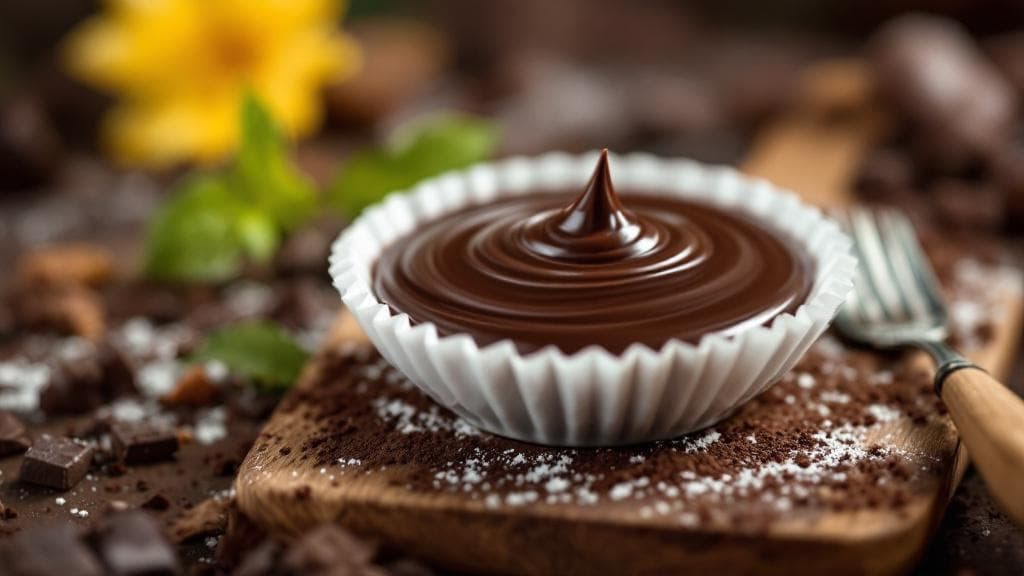
Hook Intro
Have you ever found yourself staring down a bowl of seized chocolate, wondering where it all went wrong? You're not alone! Melting chocolate can be tricky, and one little misstep can turn your silky dreams into a gritty disaster. But fear not, my friend! With the right techniques, you can melt chocolate like a pro and avoid all that frustration.Quick Answer
TL;DR: To melt chocolate without seizing, use low, indirect heat, avoid moisture, and consider using a double boiler or microwave.
Why This Matters
Understanding how to melt chocolate properly is crucial for any baking enthusiast. The right technique not only ensures a smooth consistency but also preserves the rich flavor and texture that chocolate lovers crave. Seized chocolate can ruin your recipes, making it grainy and unappealing. By mastering this skill, you'll elevate your desserts, whether you're drizzling it over a cake or creating decadent chocolate-dipped treats. Plus, melted chocolate can be a beautiful addition to your presentation, giving your dishes that professional touch.Step-by-Step Guide
Choose Your Chocolate Wisely
Select high-quality chocolate bars or chips. Dark chocolate is generally more forgiving than milk chocolate when melting. Aim for a chocolate with at least 60% cocoa for the best results.Chop It Up
Finely chop your chocolate into uniform pieces. This allows for even melting. Aim for small chunks, about the size of a chocolate chip, to ensure they melt quickly and uniformly.Set Up a Double Boiler
Fill a pot with about an inch of water and bring it to a gentle simmer. Place a heatproof bowl on top, making sure it doesn't touch the water. This indirect heat is essential for melting without burning!Start Melting
Add the chopped chocolate to the bowl. Stir gently with a spatula as it begins to melt. This process should take around 5-10 minutes. Keep the heat low to avoid scorching.Watch for the Gloss
As your chocolate starts to melt, it will become glossy and smooth. Once about two-thirds is melted, remove it from the heat. The residual heat will help melt the remaining pieces.Stir Until Smooth
Continue stirring until completely melted. This will help incorporate any unmelted chunks and achieve that luscious, silky texture we all love.Microwave Method (Optional)
If you prefer the microwave, place chopped chocolate in a microwave-safe bowl. Heat in 20-30 second intervals, stirring in between, until smooth. Be cautious to avoid overheating!Maintain Temperature
Keep your melted chocolate warm by setting it over a pot of hot water or covering it with plastic wrap if you’re not using it immediately. Avoid letting it cool down too much, which can cause it to harden.Use Immediately
Use your melted chocolate right away for drizzling, dipping, or mixing into recipes. It’s at its best when fresh, so get creative and enjoy!
Quick Reference Guide
| Item | Time/Amount | Signs of Success |
|---|---|---|
| Chopped Chocolate | 8 oz | Glossy and smooth texture |
| Double Boiler | 1 inch of water | Gentle simmer, no boiling |
| Microwave | 20-30 seconds | Stir until melted, no lumps |
| Heat | Low | No scorching or burning smell |
| Residual Heat | Use immediately | Chocolate remains melted and usable |
Common Mistakes to Avoid
Mistake: Using high heat. This can scorch your chocolate, making it grainy. Fix: Always melt chocolate over low, indirect heat.
Mistake: Moisture in the bowl or chocolate. Even a drop can cause seizing! Fix: Make sure everything is completely dry before starting.
Mistake: Not stirring enough. This can lead to uneven melting. Fix: Stir continuously as it melts to ensure even heat distribution.
Mistake: Overheating in the microwave. Chocolate can burn quickly. Fix: Use shorter intervals and stir well in between.
Mistake: Storing melted chocolate at room temperature. It can harden quickly. Fix: Keep it warm over a pot of hot water.
Extra Tips
- Experiment with different types of chocolate—white, milk, or dark can all be melted with similar techniques!
- If you're feeling adventurous, add a splash of flavored extract for a unique twist.
- To save time, consider using chocolate wafers, as they tend to melt more easily than bar chocolate.
Pro Tips
Pro Tip: For a smoother finish, consider adding a small amount of coconut oil or shortening to your melted chocolate. This will not only enhance the texture but also make it easier to work with.
Pro Tip: If your chocolate does seize, you can sometimes rescue it by adding a teaspoon of vegetable oil and stirring vigorously!
Pro Tip: Use a candy thermometer to ensure your chocolate doesn’t exceed 120°F, which can help prevent seizing.
