
Mastering Eggs: Every Method Explained
Unlock the secrets to cooking eggs perfectly every time with our comprehensive guide!
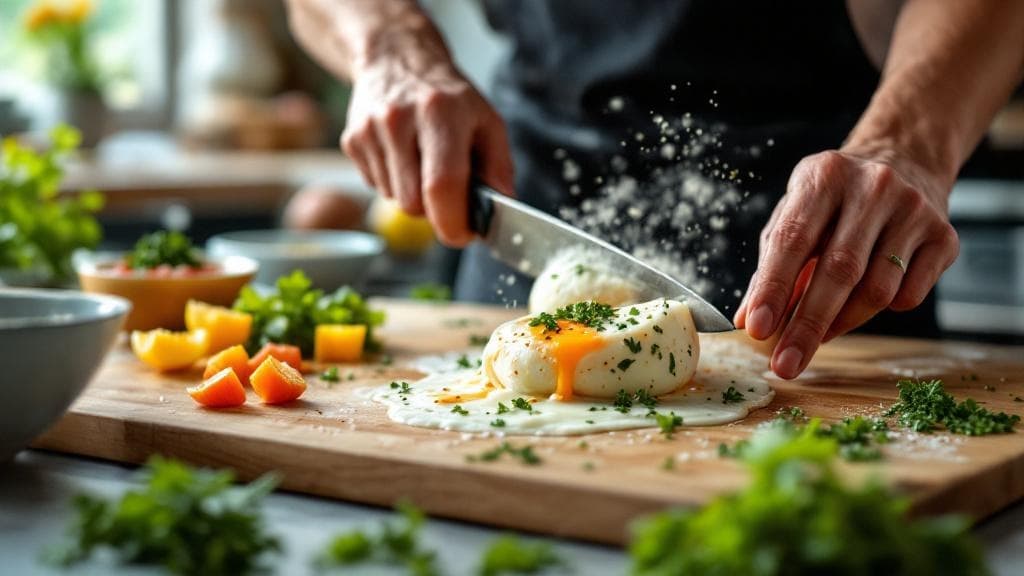
Hook Intro
Have you ever found yourself staring at a carton of eggs, wondering how to turn them into something delicious? You’re not alone! Eggs are incredibly versatile, yet they can be a bit tricky to master. Whether you’re aiming for a soft scramble or a perfectly poached egg, understanding the different cooking methods can elevate your breakfast game to new heights!Quick Answer
TL;DR: To master eggs, familiarize yourself with various cooking methods like boiling, scrambling, and poaching. Each technique brings out unique flavors and textures, making your breakfast options endless!
Why This Matters
Eggs are a powerhouse of nutrients, packed with protein, vitamins, and minerals. Learning to cook them well not only enhances your meals but also boosts your culinary confidence. Imagine a Sunday brunch where your friends rave about your fluffy omelets or velvety poached eggs—now that’s a reason to master the art of egg cooking! Plus, each technique offers a different taste experience; for instance, a hard-boiled egg gives a hearty bite, while a soft poached egg oozes creamy goodness.Step-by-Step Guide
Boiling Eggs
- Start by placing your eggs in a single layer in a saucepan. Add enough cold water to cover them by about an inch. - Bring the water to a rapid boil over medium-high heat. Once boiling, cover the pan and remove it from the heat. - For soft-boiled eggs, let them sit for 4-6 minutes; for hard-boiled eggs, aim for 9-12 minutes. - Transfer the eggs to an ice bath to stop the cooking process and cool them down for easier peeling.Scrambling Eggs
- Crack your eggs into a bowl (2-3 eggs per person is a good rule) and whisk them with a pinch of salt and pepper. - Heat a non-stick skillet over medium-low heat and add a pat of butter or a splash of oil. You want it just melted and bubbly! - Pour in the eggs and let them sit for a few seconds before gently stirring with a spatula. - Cook until they’re just set but still slightly runny, about 3-5 minutes. Off the heat, they’ll continue to cook in the residual heat—perfectly creamy every time!Poaching Eggs
- Fill a shallow saucepan with water and add a splash of vinegar (this helps the egg whites to coagulate). Bring it to a gentle simmer over medium heat. - Crack an egg into a small bowl to make it easier to slide into the water. - Create a gentle whirlpool in the water with a spoon, then carefully add the egg. Cook for about 3-4 minutes for a runny yolk, or longer if you prefer it firmer. - Remove with a slotted spoon and drain on a paper towel.Frying Eggs
- Preheat a skillet over medium heat and add a splash of oil or butter. - Crack the egg directly into the skillet. For sunny-side-up, cook until the whites are set but the yolk is still runny; for over-easy, gently flip the egg and cook for an additional 30 seconds. - If you prefer your yolk cooked through, leave it on the heat for a minute longer.Baking Eggs
- Preheat your oven to 375°F (190°C). Grease a muffin tin and crack one egg into each cup. - Season with salt, pepper, and your choice of toppings like cheese, herbs, or diced veggies. - Bake for about 15-20 minutes, or until the whites are set and the yolks are cooked to your liking.Making an Omelet
- Whisk 2-3 eggs with salt and pepper. Heat a non-stick skillet over medium heat with a bit of butter. - Pour the eggs in and swirl to coat the pan evenly. - Let it cook until the edges start to lift, about 2 minutes, then add your favorite fillings (cheese, ham, veggies). - Fold the omelet in half and let it cook for another minute, then slide it onto a plate and enjoy!
Quick Reference Guide
| Item | Time/Amount | Signs of Success |
|---|---|---|
| Boiled Eggs | Soft: 4-6 mins, Hard: 9-12 mins | Whites set, yolk to taste |
| Scrambled Eggs | 3-5 mins | Creamy texture, no browning |
| Poached Eggs | 3-4 mins | Whites set, runny yolk |
| Fried Eggs | Sunny-side: 2-3 mins, Over-easy: 1 min | Whites firm, yolk runny |
| Baked Eggs | 15-20 mins | Whites set, yolks cooked |
| Omelet | 3-4 mins | Firm edges, fluffy center |
Common Mistakes to Avoid
Mistake: Overcooking scrambled eggs.
Why it's wrong: They become dry and rubbery. Fix: Remove them from the heat while they’re still slightly runny!
Mistake: Not using enough water for poaching.
Why it's wrong: The egg won’t cook evenly. Fix: Ensure the water is deep enough to cover the egg.
Mistake: Cracking eggs directly into the skillet for frying.
Why it's wrong: It’s messy and can lead to broken yolks. Fix: Crack into a bowl first to ensure a clean drop.
Mistake: Not seasoning eggs before cooking.
Why it's wrong: They lack flavor. Fix: Season the eggs before whisking!
Mistake: Skipping the ice bath for boiled eggs.
Why it's wrong: It makes peeling a nightmare. Fix: Always cool them rapidly after boiling!
Extra Tips
- Store eggs in the refrigerator for longer freshness.
- Experiment with different herbs and spices to elevate your egg dishes.
- If you’re short on time, pre-whisk your eggs and store them in the fridge for a quick scramble later!
Pro Tips
Pro Tip: For fluffier scrambled eggs, add a splash of milk or cream before whisking!
Pro Tip: Use a slotted spoon to gently lower your eggs into the water for poaching—this prevents them from breaking!
Pro Tip: For a perfect omelet, let the egg sit a bit before folding to ensure even cooking.
