
Mastering the Art of Seasoning Cast Iron Cookware
Learn how to properly season your cast iron cookware for better flavor and performance.
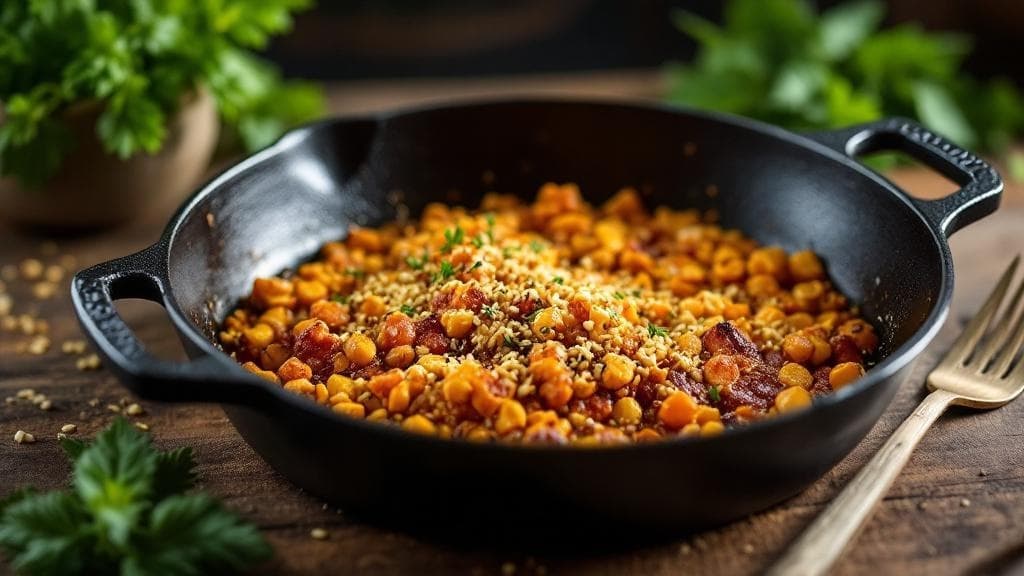
Hook Intro
Have you ever wondered why some cast iron skillets are smooth like butter while others feel like sandpaper? The secret lies in how you season your cast iron cookware! Proper seasoning not only protects your skillet but also enhances the flavors of your dishes. Let’s dive into the world of cast iron seasoning and transform your cooking experience!Quick Answer
TL;DR: To season cast iron cookware, clean it thoroughly, apply a thin layer of oil, and bake it upside down at 375°F for an hour. This creates a non-stick coating and protects your skillet.
Why This Matters
Seasoning your cast iron cookware is crucial for several reasons. Firstly, it creates a natural non-stick surface that makes cooking and cleaning a breeze. Imagine flipping pancakes without a single one sticking! Secondly, proper seasoning prevents rust and corrosion, allowing your skillet to last for generations. It’s like creating a protective shield, allowing the rich flavors of your food to shine through. Plus, seasoned cast iron can bring a wonderful, earthy aroma to your kitchen that you just can’t replicate with non-stick pans.Step-by-Step Guide
Gather Your Supplies
Start with your cast iron skillet, a gentle scrub brush or sponge, a clean cloth, and a high smoke point oil (like flaxseed, canola, or vegetable oil). You don’t want to use olive oil here, as it has a lower smoke point that can lead to a sticky mess.Clean Your Skillet
First, wash your skillet with warm water and a little soap (yes, you can use soap this time!). Scrub off any rust or food residue. Rinse thoroughly and dry it completely. This step is essential to ensure the oil adheres well to the surface.Apply Oil
Pour a small amount of oil into the skillet (about a tablespoon) and use a paper towel or cloth to spread it evenly over the entire surface, including the handle and the bottom. You want a thin layer; too much oil can lead to a sticky finish.Heat the Oven
Preheat your oven to 375°F (190°C). While it’s heating, allow your skillet to sit for a few minutes to soak in the oil.Bake It Right
Place a baking sheet or aluminum foil on the bottom rack of the oven to catch any drips. Then, place your skillet upside down on the top rack. This prevents oil from pooling in the bottom of the pan.Timing is Key
Bake the skillet for about an hour. During this time, your kitchen will fill with the enticing scent of the oil as it polymerizes, creating that beautiful, slick surface.Cool Down
After an hour, turn off the oven and allow the skillet to cool in the oven. This step helps the seasoning solidify without shocks to the cookware.Repeat if Necessary
For even better results, repeat the oiling and baking process 2-3 times. This builds up a stronger seasoning layer that will improve over time.Store Properly
Once cooled, store your cast iron skillet in a dry place. You can place a paper towel inside to absorb moisture and prevent rust.
Quick Reference Guide
| Item | Time/Amount | Signs of Success |
|---|---|---|
| Oil | 1 tablespoon | Evenly coated surface, no pooling |
| Baking Temperature | 375°F | Oil should smoke slightly |
| Baking Time | 1 hour | Surface is smooth and shiny |
| Cooling | Until oven cools | No cracking or sticking |
Common Mistakes to Avoid
Mistake: Using too much oil. Why it's wrong: A thick layer can lead to a sticky surface. Fix: Use just a thin layer and wipe off excess oil before baking.
Mistake: Skipping the cleaning step. Why it's wrong: Residue can prevent proper seasoning. Fix: Always clean your skillet thoroughly before seasoning.
Mistake: Not allowing it to cool in the oven. Why it's wrong: Rapid temperature changes can cause warping. Fix: Always let it cool down in the oven after baking.
Mistake: Using soap too often. Why it's wrong: While a little soap is okay, overusing it can strip seasoning. Fix: Clean with just hot water and a gentle scrub brush when possible.
Mistake: Not seasoning often enough. Why it's wrong: Your skillet can lose its non-stick properties over time. Fix: Regularly re-season to maintain that perfect finish.
Extra Tips
- Store your cast iron skillets in a dry place, ideally with a paper towel to absorb moisture.
- If you notice rust, don’t panic! Simply scrub it off and re-season.
- For a quicker seasoning method, consider using a heat gun to help distribute the oil evenly.
Pro Tips
Pro Tip: Use flaxseed oil for the best seasoning results! It has a high smoke point and creates a durable non-stick surface.
Pro Tip: Always preheat your skillet before cooking to help maintain the seasoning and improve food release.
Pro Tip: If your skillet starts to look dull or sticky, it’s time to re-season. Don’t wait until it’s too late!
