
The Beginner's Guide to Making Fresh Pasta
Learn how to make fresh pasta from scratch with this easy guide! Enjoy delicious, homemade meals.
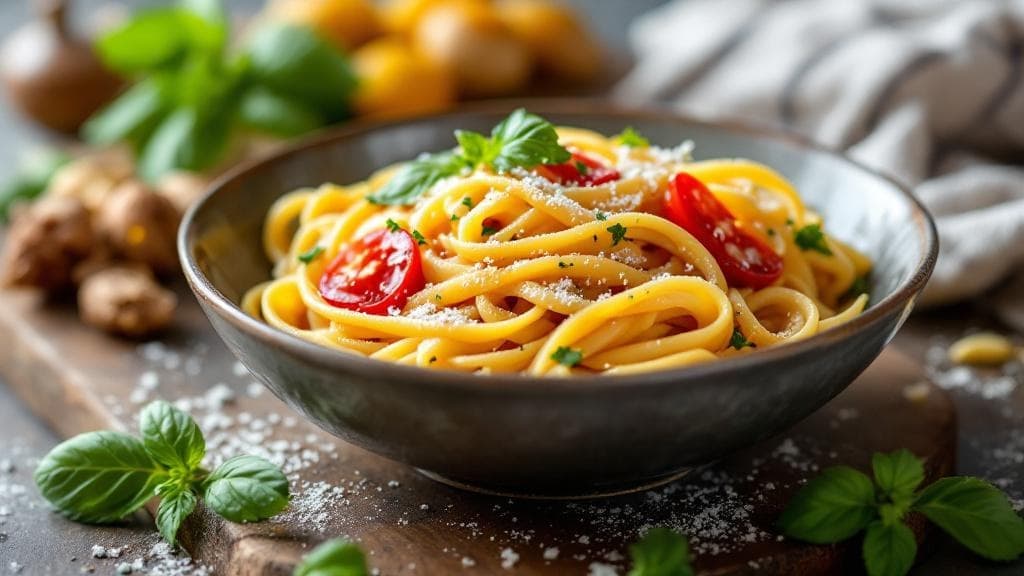
Hook Intro
Have you ever tasted fresh pasta and wondered how it could be so delightfully tender, with a silky texture that clings to your favorite sauce? Making fresh pasta at home is an exhilarating experience that can elevate your cooking game! Whether you’re planning a cozy dinner or impressing guests, this beginner's guide to making fresh pasta will help you create culinary magic in your own kitchen.Quick Answer
TL;DR: Making fresh pasta involves mixing flour and eggs, kneading the dough, rolling it out, and cutting it into your desired shape. With some practice, you’ll be serving delicious homemade pasta in no time!
Why This Matters
Fresh pasta is a a big improvement! Not only does it taste infinitely better than store-bought varieties, but it also allows you to control the ingredients, ensuring a dish that's both healthier and tailored to your taste. Plus, the process of making pasta can be quite therapeutic. Picture yourself in the kitchen, the aroma of flour in the air, and the satisfaction of creating a dish from scratch. It’s a great way to impress friends and family, and you might just find a new favorite hobby!Step-by-Step Guide
Gather Your Ingredients
Start with 2 cups of all-purpose flour, 3 large eggs, and a pinch of salt. Make sure everything is fresh for the best flavor!Create a Flour Well
On a clean surface, pile your flour and make a well in the center. This is where the magic begins! The well should be deep enough to hold the eggs without spilling.Add Eggs to the Well
Crack the eggs into the well, adding the salt. Watch as the golden yolks nestle into the flour, waiting to be transformed.Mix with a Fork
Use a fork to gradually incorporate the flour into the eggs, starting from the inner rim of the well. This will create a shaggy dough.Knead the Dough
Once combined, use your hands to knead the dough for about 8-10 minutes until it’s smooth and elastic. This step is crucial for the texture, so give it your all! If it’s too sticky, sprinkle a little extra flour.Rest the Dough
Wrap the dough in plastic wrap and let it rest for at least 30 minutes at room temperature. This relaxes the gluten, making it easier to roll out.Roll Out the Dough
Divide the dough into smaller pieces. Use a rolling pin or pasta machine to roll each piece out to your desired thickness, aiming for 1/16 inch for delicate pasta.Cut Your Pasta
Shape your pasta! Whether you prefer fettuccine, lasagna sheets, or ravioli, use a sharp knife or pasta cutter to create your desired shapes.Cook Your Pasta
Boil salted water in a large pot, then add your fresh pasta. It cooks much faster than dried pasta—just 2-3 minutes! Watch for it to float to the surface, signaling it’s ready to savor.Pair and Serve
Toss your pasta with your favorite sauce—like a rich marinara or a simple garlic and olive oil blend. Top with fresh herbs and cheese for an extra burst of flavor!
Quick Reference Guide
| Item | Time/Amount | Signs of Success |
|---|---|---|
| Flour | 2 cups | Fine, no lumps |
| Eggs | 3 large | Golden yolks intact |
| Kneading | 8-10 minutes | Soft, elastic dough |
| Resting | 30 minutes | Dough feels soft |
| Cooking | 2-3 minutes | Pasta floats to surface |
Common Mistakes to Avoid
Mistake: Using the wrong flour type.
Why it's wrong: All-purpose flour can work, but semolina flour gives a better texture.
Fix: Try a blend of semolina and all-purpose flour for the perfect bite.
Mistake: Not resting the dough.
Why it's wrong: Skipping this step makes rolling difficult.
Fix: Always allow the dough to rest for the gluten to relax.
Mistake: Overcooking the pasta.
Why it's wrong: Fresh pasta cooks much faster than dried.
Fix: Taste test a minute before the recommended cooking time.
Mistake: Not using enough flour when rolling out.
Why it's wrong: Dough can stick and tear.
Fix: Dust your work surface and rolling pin generously to prevent sticking.
Extra Tips
- Store leftover pasta in an airtight container in the fridge for up to 2 days.
- Try adding herbs or spices to the dough for extra flavor—think basil or garlic powder!
- If you're short on time, consider making a larger batch and freezing extra pasta for later use.
Pro Tips
Pro Tip: Use a pasta machine if you can—it’s a a big improvement for achieving even thickness and beautiful sheets.
Pro Tip: Experiment with different shapes! From pappardelle to tortellini, the possibilities are endless.
Pro Tip: For a rich color, add natural ingredients like beet or spinach puree to the dough.
