
Why Your Bread Didn't Rise: Common Causes & Fixes
Learn why your bread didn't rise and how to fix it for perfect loaves every time!
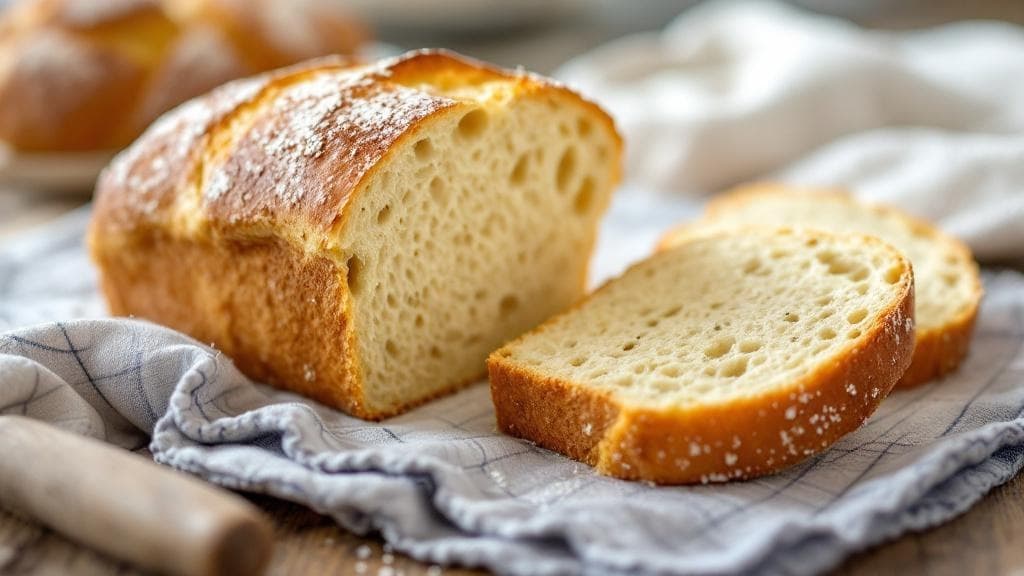
Hook Intro
Have you ever pulled out a loaf of bread from the oven only to find it flat as a pancake? It’s a heartbreaking moment, isn’t it? You’re not alone! Many home bakers face the frustration of bread that just won’t rise. Let’s get to the bottom of why your bread didn’t rise and how you can avoid that deflating disappointment in the future.Quick Answer
TL;DR: Your bread may not have risen due to issues with yeast, flour, water temperature, or kneading. Understanding these factors can lead to perfect bread every time.
Why This Matters
Bread rising is essential for that soft, airy texture we all crave. When you understand the science behind it, you’ll not only improve your baking skills but also elevate your confidence in the kitchen. For instance, using fresh yeast can mean the difference between a fluffy loaf and a brick. Similar to how a good night's sleep affects your mood, the right rising conditions affect your bread's texture and flavor. Plus, who doesn’t want to impress their friends with a beautifully risen loaf?Step-by-Step Guide
Check Your Yeast
Ensure your yeast is fresh. If it’s expired, it won’t activate and help your dough rise. To test, mix a teaspoon of yeast with a teaspoon of sugar in warm water (about 110°F/43°C). Wait 5-10 minutes; it should foam up! If not, it’s time to buy a new packet.Measure Your Ingredients Accurately
Baking is a science! Use a kitchen scale to weigh your flour and water. Too much flour can lead to dense bread. A good rule of thumb is about 500 grams of flour to 300-350 grams of water for a basic loaf.Water Temperature Matters
Use warm water (not hot!) to activate the yeast. Ideally, it should be around 100°F-110°F (37°C-43°C). Too hot can kill the yeast, while too cold won’t activate it.Knead Properly
Kneading develops gluten, which gives bread its structure. Aim for 8-10 minutes of kneading until the dough is smooth and elastic. A well-kneaded dough should spring back when poked.Give It Time to Rise
Patience is key! Let your dough rise in a warm, draft-free place until it doubles in size, usually about 1-2 hours. Cover it with a damp cloth to prevent it from drying out.Second Rise is Essential
After shaping your dough, let it rise again for about 30-60 minutes. This step is crucial for developing flavor and texture. You’ll notice it puffs up nicely, ready for the oven!Preheat Your Oven
Always preheat your oven for at least 30 minutes. An oven that’s too cool can lead to insufficient rise during baking. Aim for about 375°F (190°C) for most bread recipes.Steam for Success
Introducing steam in the first few minutes of baking helps create a crispy crust and allows bread to expand fully. You can place a pan of water on the bottom of your oven or spray the dough just before closing the oven door.Check for Doneness
Your bread is done when it sounds hollow when tapped on the bottom and has a golden-brown crust. This usually takes about 25-35 minutes depending on the size of your loaf.
Quick Reference Guide
| Item | Time/Amount | Signs of Success |
|---|---|---|
| Yeast | 1 tsp | Foams up in warm water |
| Flour | 500 grams | Soft and elastic dough |
| Water Temp | 100°F-110°F | Activates yeast |
| First Rise | 1-2 hours | Doubles in size |
| Second Rise | 30-60 minutes | Puffed up, ready to bake |
| Baking Temp | 375°F | Golden brown crust |
Common Mistakes to Avoid
Mistake: Using expired yeast.
Why it's wrong: Old yeast won't activate, leaving your dough flat.
Fix: Always check the expiration date and store yeast in a cool, dry place.
Mistake: Not measuring ingredients accurately.
Why it's wrong: Too much flour can lead to denser bread.
Fix: Use a kitchen scale for precision.
Mistake: Skipping the second rise.
Why it's wrong: This step helps develop flavor.
Fix: Always allow your dough to rise after shaping.
Mistake: Not preheating the oven.
Why it's wrong: A cool oven can hinder the rise.
Fix: Preheat your oven for at least 30 minutes.
Extra Tips
- Store unused yeast in the fridge for longer shelf life.
- Experiment with different flours, like whole wheat or rye, for varied flavors.
- For a quicker rise, try using a warm oven (turned off) for proofing your dough.
Pro Tips
Pro Tip: If your dough is too sticky, avoid adding too much flour. Instead, use a dough scraper to help manage it. This keeps your bread light and fluffy!
Pro Tip: For extra flavor, add herbs or spices to your dough. A simple addition like rosemary or garlic can elevate your loaf to gourmet status!
Pro Tip: If you’re worried about over-proofing, do the poke test: gently poke the dough; if it springs back slowly, it’s ready!
