
5 Effective Ways to Reduce Food Waste in Your Kitchen
Discover practical tips to minimize food waste in your kitchen. Learn how to shop smarter, store food properly, and use leftovers creatively.
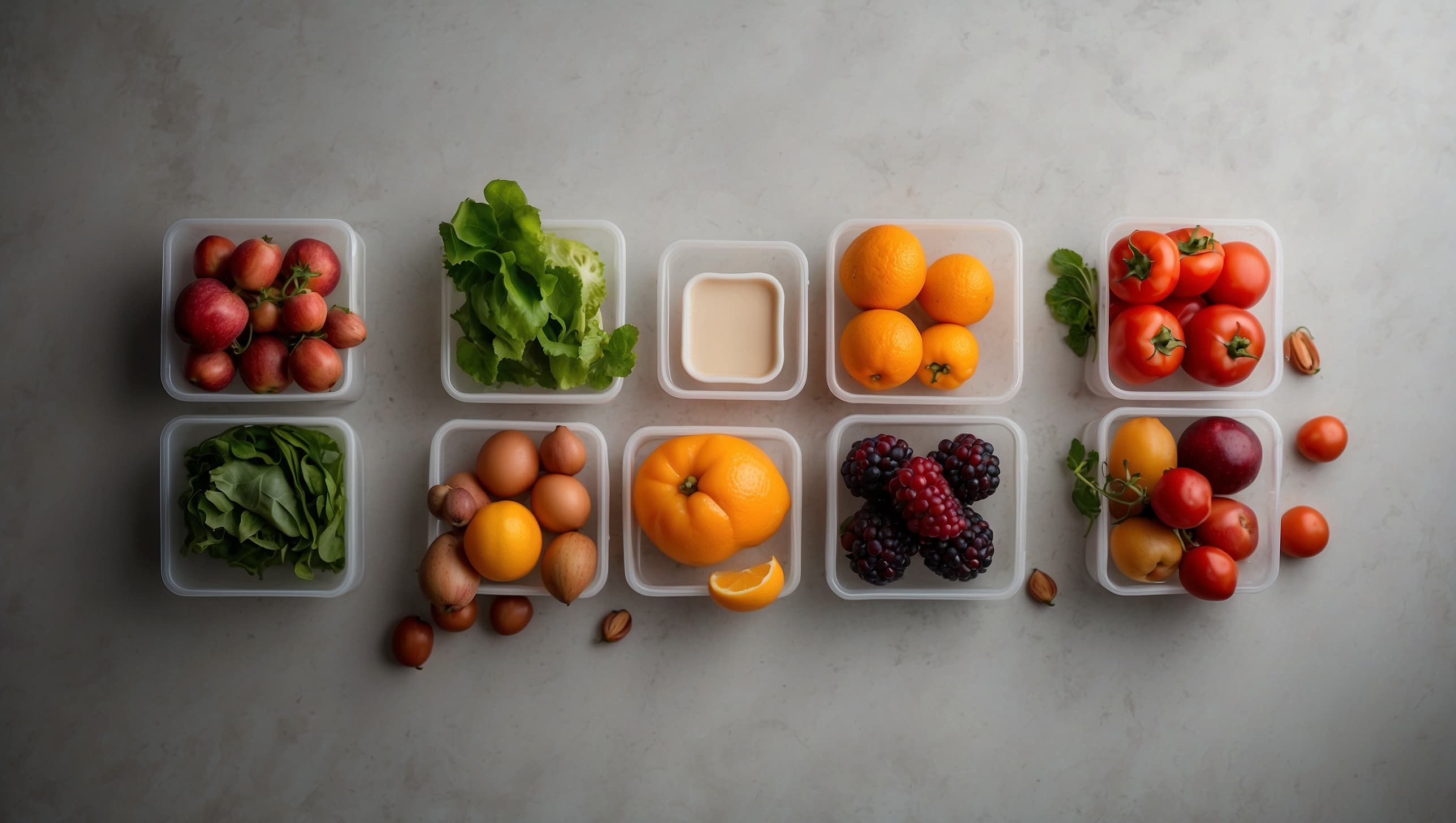
Introduction
Food waste is a significant issue that affects not only our wallets but also the environment. In the United States alone, approximately 30-40% of the food supply is wasted. By implementing some simple strategies in your kitchen, you can minimize waste and contribute to a more sustainable future.
1. Plan Your Meals
Meal planning is one of the most effective ways to reduce food waste. By deciding what you will eat for the week ahead, you can make a shopping list that minimizes impulse buys and ensures you only purchase what you need.
How to Start Meal Planning
- Set aside time each week to plan meals.
- Check your pantry and fridge for items that need to be used.
- Incorporate versatile ingredients to create multiple meals.
2. Understand Food Storage
Proper food storage is crucial in extending the life of your groceries. Different foods require different storage methods to stay fresh longer.
Storage Tips
- Keep fruits and vegetables in the right compartments of your fridge.
- Use airtight containers to store leftovers.
- Label and date items in your freezer to keep track of freshness.
3. Get Creative with Leftovers
Leftovers can be a goldmine for reducing waste. Instead of tossing uneaten food, think of creative ways to incorporate them into new meals.
Ideas for Leftovers
- Transform roasted vegetables into a hearty soup.
- Make a stir-fry with leftover meats and veggies.
- Use stale bread to create breadcrumbs or croutons.
4. Compost Food Scraps
Composting is an excellent way to dispose of food scraps while benefiting the environment. Instead of throwing away vegetable peels and fruit cores, turn them into nutrient-rich compost for your garden.
Getting Started with Composting
- Choose a compost bin that fits your space.
- Include a mix of green materials (like fruit scraps) and brown materials (like dried leaves).
- Turn your compost regularly to aerate it and speed up decomposition.
5. Educate Yourself and Others
Knowledge is power. The more you understand about food waste and its impact, the better equipped you are to minimize it. Share what you learn with family and friends to create a community focused on reducing waste.
Ways to Educate Yourself
- Read books and articles on sustainable cooking.
- Attend workshops or webinars on reducing food waste.
- Follow blogs and social media accounts that promote sustainability.
Conclusion
Reducing food waste in your kitchen is not only beneficial for your wallet but also for the environment. By planning meals, understanding food storage, getting creative with leftovers, composting, and educating yourself, you can make a significant impact. Start implementing these strategies today and contribute to a more sustainable future.
