
Essential Knife Skills Every Home Cook Should Master
Unlock your culinary potential with essential knife skills every home cook should master. Learn techniques for precision and safety in the kitchen.
Introduction to Knife Skills
Knife skills are the foundation of cooking. Mastering them not only enhances your efficiency in the kitchen but also improves the presentation and flavor of your dishes. In this post, we will explore essential knife skills that every home cook should learn to elevate their culinary game.
Choosing the Right Knife
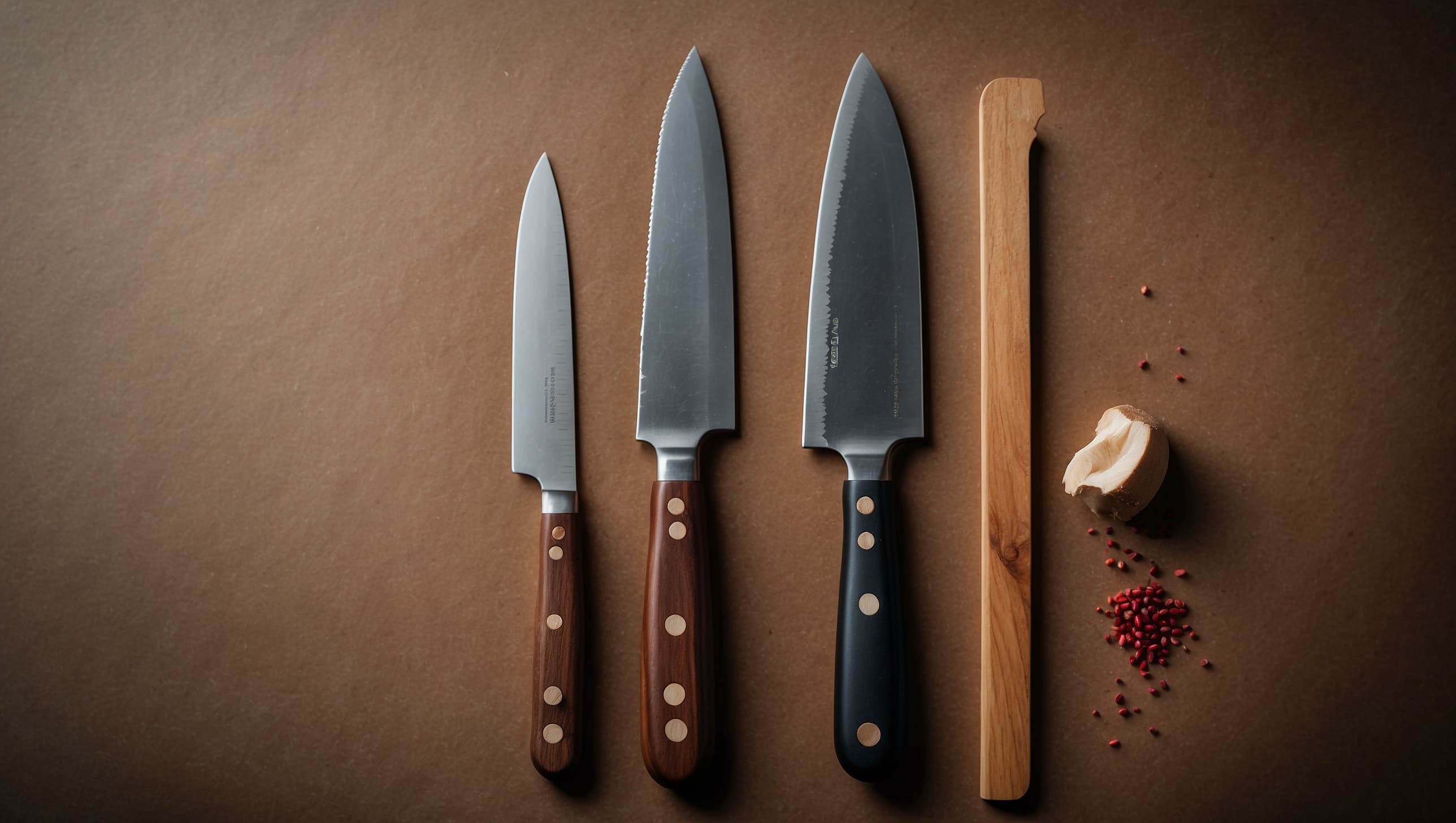
Before diving into techniques, it's crucial to choose the right knife for the job. Here are the most essential knives every kitchen should have:
- Chef's Knife: Versatile and perfect for chopping, slicing, and dicing.
- Paring Knife: Ideal for peeling and intricate work.
- Serrated Knife: Great for cutting bread and soft fruits.
Basic Knife Techniques
Let’s dig into the basic techniques you should master:
1. The Grip
Your grip affects control and precision. Hold the handle with three fingers, using your thumb and index finger to pinch the blade. This grip offers better balance and control.
2. The Rocking Motion
For chopping herbs or vegetables, use a rocking motion with your chef's knife. Keep the tip on the cutting board and move the handle up and down, allowing the knife to do the work.
3. The Claw Grip
When cutting, use the claw grip with your non-dominant hand. Tuck your fingers underneath and use your knuckles as a guide to prevent cuts.
Advanced Knife Skills
Once you’re comfortable with the basics, try these advanced techniques:
1. Julienne
This technique creates thin matchstick shapes from vegetables. Start by cutting the vegetable into planks, then stack and slice into strips.
2. Brunoise
For a fine dice, take your julienned strips and cut them crosswise into tiny cubes for a professional look in your dishes.
3. Chiffonade
Perfect for leafy greens, stack the leaves, roll them tightly, and slice thinly to create delicate ribbons.
Knife Safety Tips
Safety in the kitchen is paramount. Here are some knife safety tips:
- Always cut on a stable surface.
- Keep your knives sharp; dull knives are more dangerous.
- Never try to catch a falling knife.
- Store knives properly, preferably in a block or magnetic strip.
Conclusion
Mastering these essential knife skills will not only make you a more efficient home cook but also enhance the quality of your meals. Practice regularly, and soon you’ll be slicing and dicing like a pro!
