
How to Taste and Adjust Like a Chef
How to tasting and adjusting flavors to elevate your cooking skills!
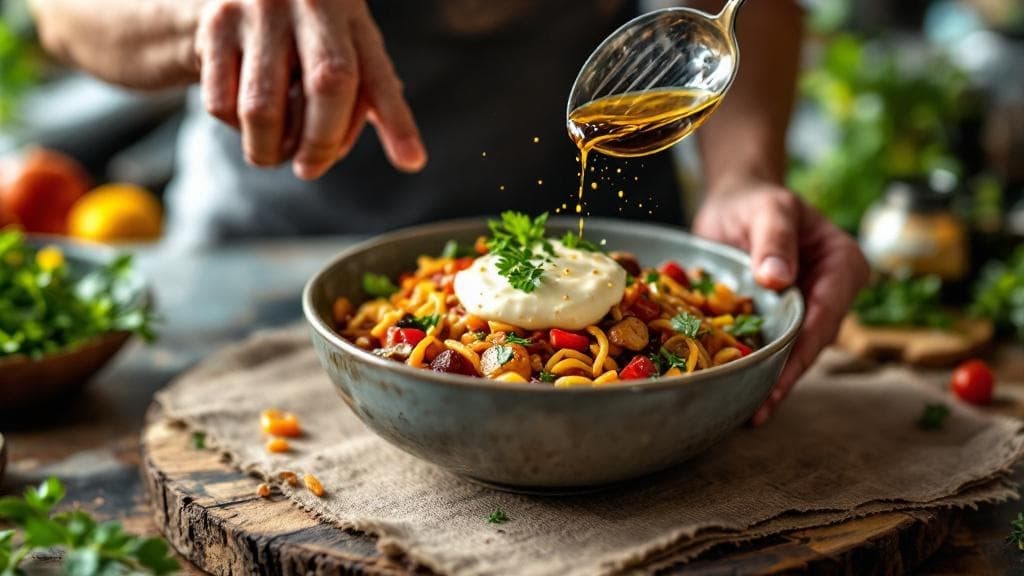
Hook Intro
Have you ever followed a recipe to the letter, only to be left wondering why your dish doesn’t taste quite right? It’s a common dilemma! Learning how to taste and adjust like a chef can truly transform your cooking experience and make every meal a flavorful delight.Quick Answer
TL;DR: To taste and adjust like a chef, use your senses to evaluate flavor, and don't hesitate to modify seasoning and ingredients until it’s just right.
Why This Matters
Understanding how to taste and adjust is crucial for anyone looking to elevate their cooking. It allows you to personalize dishes to your unique preference and ensures each bite is a burst of flavor. For example, adding a pinch of salt can enhance sweetness in a dish, while a dash of vinegar can brighten up hearty flavors. This skill not only improves your cooking but also boosts your confidence in the kitchen, turning you from a follower of recipes into a creator of delicious meals.Step-by-Step Guide
Start with the Base
Begin by preparing your base—whether it’s a sauce, soup, or stir-fry. Allow the primary ingredients to meld together for about 10-15 minutes to develop flavors before tasting.Taste Early and Often
Don’t wait until the end! Use a clean spoon to taste your dish at various stages. Notice how the flavors evolve and where adjustments might be needed.Evaluate the Flavor Profile
Pay attention to the balance of sweet, salty, sour, and bitter. Is it harmonious? If something feels off, note what it might need—salt, acid, or sweetness?Start Adjusting
If your dish feels flat, add a pinch of salt. If it’s too salty, a splash of vinegar or citrus can help balance things out. Remember, small adjustments can make a big difference!Use Aromatics Wisely
Add fresh herbs or spices gradually, as they can intensify the flavor. Chop some fresh parsley or basil and sprinkle it in, tasting as you go.Let It Rest
Some dishes benefit from resting time. For instance, letting a sauce sit for a few minutes allows the flavors to settle and meld. Taste again!Trust Your Instincts
If you think it needs something else, go for it! Cooking is about experimentation, and your intuition is your best guide.Finishing Touches
Just before serving, a final drizzle of olive oil or a squeeze of lemon can elevate your dish. Taste one last time to ensure it’s perfect!Document Your Adjustments
Keep a notebook or app handy to note what worked and what didn’t for future reference. You’ll be amazed at how much you learn!
Quick Reference Guide
| Item | Time/Amount | Signs of Success |
|---|---|---|
| Salt | Pinch | Flavor pops, balanced taste |
| Acid (vinegar, lemon juice) | 1 tsp | Brightened flavors |
| Sugar | Pinch | Flavors rounded, sweetness balanced |
| Aromatics (herbs, spices) | 1 tsp fresh, 1/2 tsp dried | Enhanced aroma, depth of flavor |
Common Mistakes to Avoid
Mistake: Skipping the tasting process. It’s essential to taste at different stages to catch any imbalances early.
Mistake: Over-seasoning at once. Always start small and adjust gradually to avoid overpowering the dish.
Mistake: Ignoring texture. Sometimes a dish may need more than just flavor adjustments; consider adding a crunchy topping for texture.
Mistake: Cooking from a recipe without personalizing it. Don’t be afraid to make it your own by adjusting flavors to suit your taste.
Extra Tips
- Store leftover herbs in water to keep them fresh longer.
- Experiment with different types of acids—balsamic, apple cider vinegar, or citrus juice can all impart unique flavors.
- Use taste tests with friends or family to get feedback and broaden your flavor horizons!
Pro Tips
Pro Tip: Don’t just think about what the dish needs—also consider what it might be lacking. Sometimes it’s not about adding but rather balancing existing flavors.
Pro Tip: Master the art of seasoning by using a salt grinder; it allows for better control and even distribution.
Pro Tip: When cooking grains or pasta, add a generous amount of salt to the water. This is your chance to infuse flavor from the start!
