
Maximize Freshness: How to Store Herbs Like a Pro
Unlock the secrets to keeping your fresh herbs vibrant and flavorful with these expert storage tips and tricks for longer-lasting herbs.
Introduction
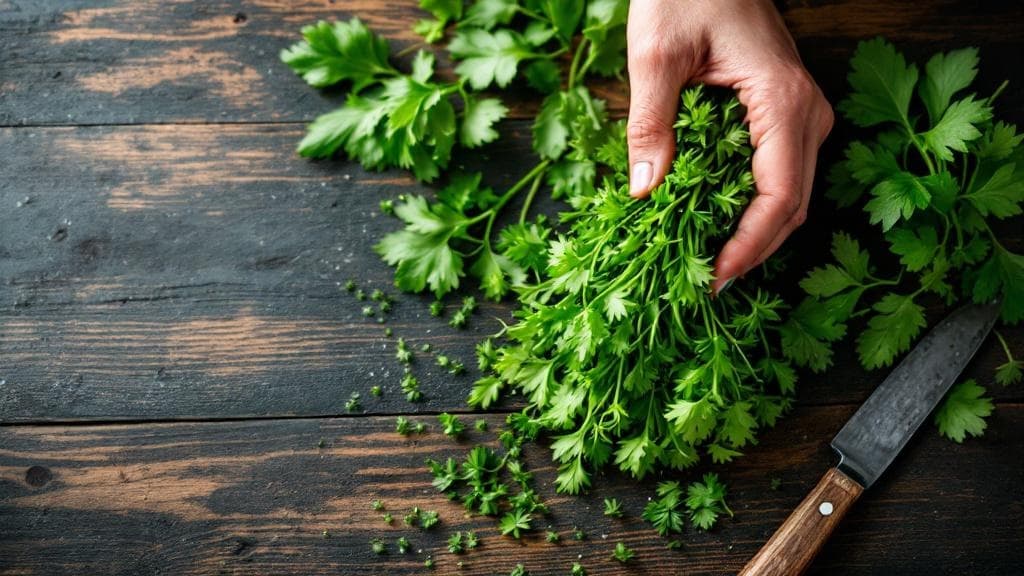
Have you ever tossed a bunch of wilted, sad herbs from the back of your fridge? You’re not alone! Fresh herbs can elevate your dishes, but if you don’t store them properly, they can turn into mush before you even get a chance to use them. Knowing how to store fresh herbs properly is crucial for enjoying their vibrant flavors and aromas over time. In this post, we’ll explore various methods for storing herbs, what works best for different types, and tips to keep them fresh and flavorful as long as possible.
Understanding Different Herb Types
Before we dive into storage techniques, let's identify the two main categories of herbs: soft herbs and hard herbs. Understanding the differences will help you choose the right storage method.
- Soft Herbs: These include basil, parsley, cilantro, and dill. They have tender stems and delicate leaves, making them more prone to wilting.
- Hard Herbs: Think rosemary, thyme, sage, and oregano. These herbs have woody stems and are generally more resilient.
Knowing whether your herbs are soft or hard is the first step to ensuring they stay fresh longer.
Best Storage Methods for Soft Herbs
If you love soft herbs for their fragrant flavors, follow these methods to keep them fresh:
1. The Water Method
This method mimics how flowers are stored and works particularly well for herbs like basil and cilantro. Here’s how to do it:
- Trim the stems slightly to remove any dead ends.
- Place the herbs upright in a jar or glass filled with water, covering about an inch of the stems.
- Loosely cover the leaves with a plastic bag or a kitchen towel to create a humid environment.
- Store in the refrigerator, but remember to change the water every few days.
Your herbs will stay fresh and vibrant for up to two weeks with this method!
2. The Damp Paper Towel Method
This technique is great for herbs like parsley and cilantro. Here’s what to do:
- Wash and dry the herbs gently to remove any dirt.
- Lay the herbs flat on a damp paper towel.
- Tightly roll the towel around the herbs, ensuring they are snug but not crushed.
- Place the rolled herbs in a plastic bag, sealing it partially to allow for air circulation, and store in the fridge.
Using this method can keep your herbs fresh for about a week!
Best Storage Methods for Hard Herbs
Hard herbs are a bit more forgiving and can be stored in several ways:
1. In the Fridge in a Plastic Bag
For herbs like rosemary and thyme, this is a simple and effective method:
- Place the herbs in a plastic bag, leaving it slightly open to allow airflow.
- Store them in the crisper drawer of your fridge.
This technique keeps hard herbs fresh for up to three weeks.
2. Freezing for Long-Term Storage
If you want to keep your herbs for months, freezing is a fantastic option! Here’s how:
- Chop the herbs finely and place them in an ice cube tray.
- Fill the tray with olive oil or water, covering the herbs completely.
- Freeze until solid, then transfer the cubes to a zip-top bag.
Whenever you need herbs, simply pop a cube in your dish, and enjoy that fresh flavor all year!
Making the Most of Your Fresh Herbs
Once you have your herbs stored correctly, here are some additional tips to ensure you use them effectively:
- Use Them Early: Fresh herbs lose flavor over time, so try to use them within a week or two.
- Snip Instead of Pull: When harvesting from plants, snip leaves with scissors to promote growth.
- Layer Flavors: Combine herbs to create a complex flavor profile in your dishes.
With these tips in mind, you’ll be able to enjoy the vibrant flavors of fresh herbs, enhancing your cooking experience.
Pro Tips from the Kitchen
Here are some expert tips to take your herb storage game to the next level:
- Label Your Herbs: If you freeze herbs, label the bag with the type of herb and the date to keep track.
- Use a Herb Keeper: Consider investing in a herb keeper, which is designed to prolong the life of your herbs.
- Keep Them Dry: Moisture is the enemy! Always ensure herbs are dry before storing to prevent rot.
- Rotate Your Stock: Use older herbs first to avoid waste.
Conclusion
Storing fresh herbs properly can significantly enhance their lifespan and keep your meals bursting with flavor. By understanding the differences between soft and hard herbs and employing the right storage techniques, you'll be well on your way to always having fresh herbs on hand. So, give these methods a try and let us know how they work for you! Have a favorite herb storage tip? Share in the comments below or try out a recipe that showcases your fresh herbs!
