
Nutrition Tips for Healthy Aging: Eat Well, Live Well
Discover essential nutrition tips for healthy aging that can enhance your well-being and vitality.
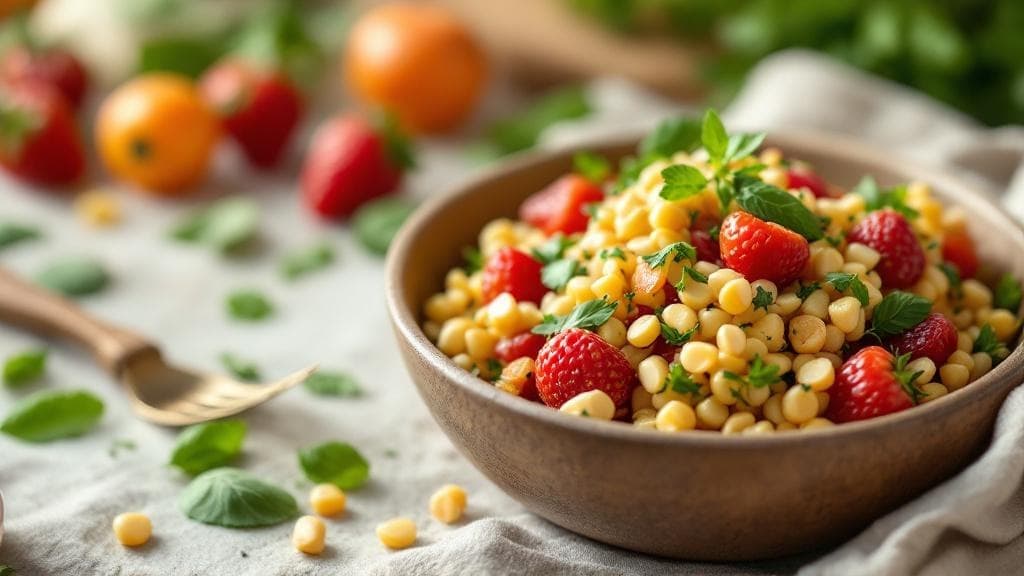
Hook Intro
Have you ever wondered why some people seem to glow with health as they age, while others struggle with various ailments? The secret often lies in their nutrition for healthy aging. It’s not just about eating less; it’s about eating right! Your food choices can significantly impact how you feel and function as you get older. Let’s dive into the world of nutrition and unlock the keys to graceful aging together!Quick Answer
TL;DR: Focus on a balanced diet rich in fruits, vegetables, whole grains, lean proteins, and healthy fats to promote healthy aging. Stay hydrated and limit processed foods for the best results.
Why This Matters
Nutrition for healthy aging isn’t just a trend; it’s a vital part of maintaining your health and vitality as you grow older. Proper nutrition can boost your immune system, reduce the risk of chronic diseases, and even improve your mental health. For instance, diets rich in antioxidants from colorful fruits and vegetables help combat oxidative stress, while omega-3 fatty acids from fish support brain health. Think of your body as a fine-tuned machine; the right fuel keeps it running smoothly.Step-by-Step Guide
Assess Your Current Diet
Start by keeping a food journal for a week. Write down everything you eat and drink. This will help you identify patterns and areas for improvement.Incorporate More Fruits and Vegetables
Aim for at least 5 servings daily. Choose a rainbow of colors—think vibrant greens, deep reds, and sunny yellows. These are packed with vitamins, minerals, and antioxidants.Choose Whole Grains
Swap out white bread and pasta for whole grain versions. Whole grains are richer in fiber, which is great for digestion and heart health. Look for products labeled "100% whole grain."Opt for Lean Proteins
Include sources like chicken, fish, beans, and legumes. Aim for at least two servings of fish each week, especially fatty fish like salmon for their omega-3 content.Healthy Fats Are Your Friends
Incorporate avocados, nuts, seeds, and olive oil into your meals. They provide essential fatty acids that support brain and heart health. Remember, moderation is key; a little goes a long way!Stay Hydrated
Drink plenty of water throughout the day. Aim for at least 8 cups, and keep a water bottle handy. Hydration helps maintain energy levels and skin elasticity.Limit Processed Foods
Cut back on foods high in sugar, salt, and unhealthy fats. Instead, focus on whole, unprocessed foods that nourish your body.Plan Balanced Meals
Every meal should have a balance of protein, carbs, and fats. Think of your plate as a canvas—fill it with color and variety!Listen to Your Body
Pay attention to how different foods make you feel. Your body knows best, so adjust your diet based on your energy levels and overall well-being.Consult a Professional
If you’re unsure where to start, consider consulting a nutritionist. They can provide personalized advice tailored to your needs and lifestyle.
Quick Reference Guide
| Item | Time/Amount | Signs of Success |
|---|---|---|
| Fruits & Vegetables | 5 servings daily | Increased energy, better skin |
| Whole Grains | 3 servings daily | Improved digestion |
| Lean Proteins | 2-3 servings daily | Muscle maintenance |
| Healthy Fats | 1 serving per meal | Clearer skin, better mood |
| Water Intake | 8 cups daily | Hydrated skin, increased energy |
Common Mistakes to Avoid
Mistake: Skipping meals. It’s tempting to skip breakfast or lunch, but this can lead to overeating later. Instead, aim for smaller, balanced meals throughout the day.
Mistake: Ignoring portion sizes. Even healthy foods can contribute to weight gain if you eat them in large quantities. Use smaller plates to help control portions.
Mistake: Relying on supplements. While supplements can help, they shouldn't replace whole foods. Focus on getting your nutrients from a diverse diet.
Mistake: Neglecting hydration. Dehydration can mimic feelings of hunger. Keep track of your water intake and drink before feeling thirsty.
Mistake: Choosing low-fat products. Many low-fat options are packed with sugar. Opt for full-fat foods in moderation for better overall health.
Extra Tips
- Meal prep on weekends to save time during the week.
- Experiment with herbs and spices to enhance flavors without added salt.
- Try new foods! You might find your new favorite superfood.
Pro Tips
Pro Tip: Keep a colorful plate! The more colors you have, the more nutrients you’re likely getting.
Pro Tip: Don’t skip breakfast! Starting your day with a nutritious meal can set you up for success.
Pro Tip: Include fermented foods like yogurt or kimchi for gut health, which is crucial as you age.
