
Understanding Macros: Protein, Carbs, and Fats
Unlock the secrets of macros to enhance your health and wellness journey!
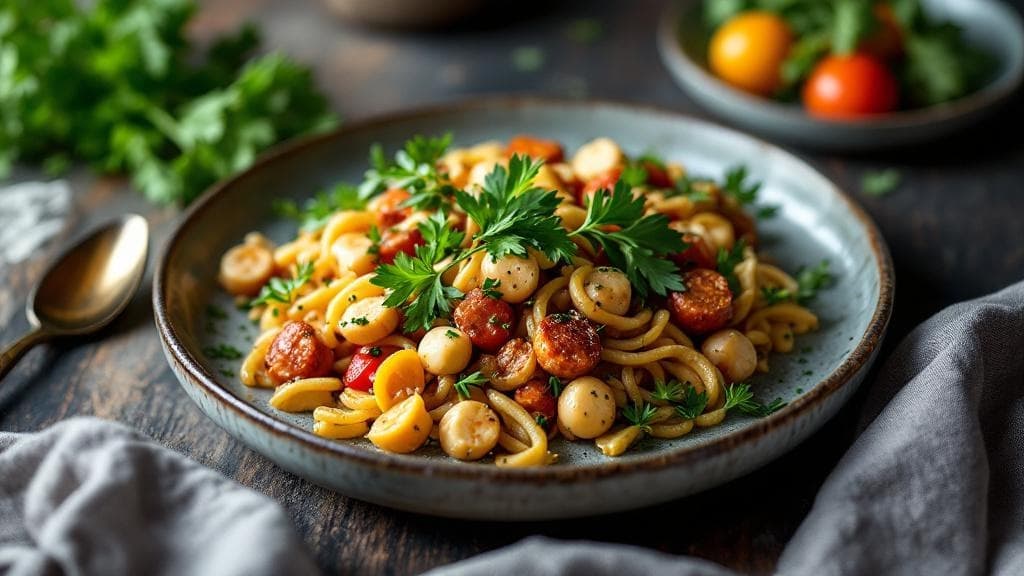
Hook Intro
Have you ever wondered why everyone is talking about macros—protein, carbs, and fats? It’s not just fitness jargon; understanding these three key nutrients can change your health game completely! Whether you're looking to build muscle, lose weight, or just feel better, knowing how to balance your macros can make a world of difference.Quick Answer
TL;DR: Macros are essential nutrients: protein builds and repairs, carbs fuel your body, and fats support cell health. Balancing them is key to optimal health!
Why This Matters
Understanding macros is vital because they are the building blocks of your diet. Protein helps in muscle repair and growth, making it crucial for fitness enthusiasts. Carbohydrates are your body’s primary energy source, ensuring you have the stamina to tackle your day. Fats, often misunderstood, are essential for hormone production and nutrient absorption. Imagine feeling energized and nourished rather than sluggish and deprived—this is the power of mastering your macros!Step-by-Step Guide
Identify Your Goals
Start by defining your health goals. Are you aiming to lose weight, build muscle, or maintain your current weight? This will dictate your macro ratios. For instance, if you're bulking, you might want a higher carb intake.Calculate Your Caloric Needs
Use an online calculator to determine your Total Daily Energy Expenditure (TDEE). This gives you a baseline for how many calories you should consume daily.Set Your Macro Ratios
Typical ratios might be 40% carbs, 30% protein, and 30% fats for general health. Adjust according to your goals—more protein for weight lifting, fewer carbs for fat loss.Track Your Intake
Utilize apps like MyFitnessPal to log your food. This helps you see how well you're hitting your macro goals. You’ll be surprised at the balance of nutrients in your favorite snacks!Choose Quality Sources
Opt for whole foods. For protein, think lean meats, legumes, and dairy. Carbs? Go for whole grains, fruits, and veggies. Healthy fats include avocados, nuts, and olive oil.Meal Prep
Spend a few hours each week prepping meals. This not only saves time but also ensures you stay on track with your macros. Picture containers filled with colorful meals—so satisfying!Stay Hydrated
Water is often overlooked but is crucial for digestion and nutrient absorption. Aim for at least 8 glasses a day!Adjust as Needed
Monitor your progress. If you’re not seeing results, don’t hesitate to tweak your macro ratios. It’s about finding what works best for your body.Be Patient
Remember, every body is different. It takes time to see changes. Celebrate small victories along the way!
Quick Reference Guide
| Item | Time/Amount | Signs of Success |
|---|---|---|
| Protein | 0.8-1 gram per pound of body weight | Increased muscle tone, recovery |
| Carbohydrates | 40-60% of daily intake | Steady energy, improved workout performance |
| Fats | 20-35% of daily intake | Healthy skin, hormone balance |
| Water | 8 cups daily | Hydration, clear skin |
Common Mistakes to Avoid
Mistake: Ignoring macros completely. Why it's wrong: You can end up eating too much or too little of certain nutrients, leading to imbalances. Fix: Start tracking your food intake to understand your current macro distribution.
Mistake: Overemphasizing one macro. Why it's wrong: Focusing solely on protein, for example, can lead to nutrient deficiencies. Fix: Aim for a balanced approach, incorporating all three macros in your meals.
Mistake: Not adjusting for activity level. Why it's wrong: Your macro needs change with your activity level—sedentary vs. active. Fix: Recalculate your macros periodically based on your lifestyle changes.
Mistake: Fear of fats. Why it's wrong: Fats are essential for many body functions and can help keep you satisfied. Fix: Include healthy fats in your diet, like nuts and avocados.
Extra Tips
- Consider meal prepping for the week to save time and stick to your macro goals.
- Experiment with different sources of each macro to discover what you enjoy most.
- Use a food scale to measure portions accurately, helping you stay consistent with your intake.
Pro Tips
Pro Tip: Pair your carbs with protein for a balanced meal that keeps you fuller longer. Think chicken with sweet potatoes or a quinoa salad!
Pro Tip: Don’t shy away from snacks! Healthy snacks can help you meet your macro goals without feeling deprived.
Pro Tip: If you’re struggling with meal ideas, look up macro-friendly recipes online—there are tons of creative options out there!
